
• 301,302 Choice A Apartment, Opposite Ruby Hall, BS Dhole Patil Path, Pune, Maharashtra 411001
  • Mon - Sat 8.00 - 18.00. Sunday CLOSED

Category Archives: cardiology

Understanding the Role of Coronary Angiography in Detecting Heart Blockages

Heart health depends on the smooth flow of oxygen-rich blood through the coronary arteries. When these arteries become narrowed or blocked, the heart muscle receives less oxygen, which can lead to discomfort, reduced function, or even cardiac emergencies. Detecting such blockages early plays a key role in managing overall heart wellness.
As explained by the Best Cardiologist in Pune, coronary angiography remains one of the most reliable diagnostic techniques for assessing the condition of the heart’s blood vessels and identifying the severity of any narrowing.

What Is Coronary Angiography?

Coronary angiography is a diagnostic imaging procedure that uses contrast dye and X-rays to visualise the heart’s arteries. It helps determine whether blood flow is restricted due to plaque buildup or other abnormalities.
This procedure is often used when non-invasive tests such as electrocardiograms (ECG), echocardiograms, or stress tests suggest that there may be a problem with blood circulation in the coronary arteries.

During the test, a thin flexible tube known as a catheter is gently guided through a blood vessel, usually from the wrist or groin, toward the coronary arteries. A special dye that appears on X-rays is injected through the catheter, allowing doctors to see detailed images of the arteries and identify any blockages or narrowing.

Why Is Coronary Angiography Important?

The importance of coronary angiography lies in its accuracy and detailed visualisation of the coronary vessels. It helps medical professionals:

  1. Identify Blockages:
    It reveals the exact location and extent of narrowing or blockage within the coronary arteries. 
  2. Determine Severity:
    The results indicate whether the narrowing is mild, moderate, or severe, which is important for planning further medical evaluation. 
  3. Assess Blood Flow:
    The test provides real-time images of how blood moves through the coronary arteries and helps detect any areas of reduced circulation. 
  4. Guide Next Steps:
    Based on the findings, doctors can decide whether medication, lifestyle adjustments, or further procedures like angioplasty might be appropriate for managing heart function. 

    How Coronary Angiography Helps Detect Heart Blockages

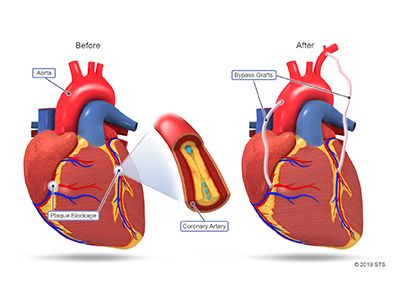
    A coronary artery blockage occurs when fatty deposits (plaques) build up inside the arterial walls — a condition known as atherosclerosis. Over time, these plaques can narrow the arteries, restricting oxygen-rich blood from reaching the heart muscle.
    Coronary angiography plays a central role in identifying such blockages accurately. The images it produces help pinpoint:

    • The exact artery affected 
    • The degree of narrowing 
    • The pattern and nature of plaque buildup 
    • Any alternate blood flow routes formed by smaller vessels 

    By understanding these details, healthcare professionals can evaluate the impact of restricted circulation and ensure timely medical attention when required.

When Is Coronary Angiography Recommended?

Coronary angiography is typically considered when a person experiences persistent symptoms that suggest reduced blood flow to the heart. These symptoms may include:

  • Chest pain or discomfort (angina) that worsens with exertion or stress 
  • Shortness of breath during physical activity 
  • Unusual fatigue or weakness 
  • Pain spreading to the neck, jaw, or arm. 
  • Abnormal ECG or stress test results 

It may also be performed after a heart attack to identify the artery responsible for the reduced blood supply and assess the overall condition of the heart’s circulation system.


How the Procedure Works

  1. Preparation:
    Before the test, basic blood tests and imaging assessments are performed. The patient is usually awake but may receive mild sedation to stay relaxed. 
  2. Catheter Insertion:
    A small area, usually near the wrist or groin, is cleaned and numbed. A thin catheter is inserted into the blood vessel and gently advanced toward the heart. 
  3. Contrast Dye Injection:
    A special contrast dye is injected through the catheter, and X-ray images are taken in quick succession. 
  4. Imaging and Observation:
    These X-rays, known as angiograms, show how the dye moves through the coronary arteries, highlighting any blockages or narrowing. 

Post-Procedure Monitoring:
After the angiography, patients are observed for a few hours while normal blood flow and vital signs are monitored. The small puncture site is bandaged, and light activity can usually resume within a short period.


Benefits of Coronary Angiography

Coronary angiography offers several diagnostic advantages, including:

  • Detailed visualisation of coronary arteries 
  • Accurate identification of narrowing or blockages 
  • Assessment of the heart muscle blood supply 
  • Guidance for further evaluation or lifestyle management 

Unlike other tests, it provides a clear and dynamic view of the heart’s circulation system, making it a key diagnostic tool in cardiac care.


Safety and Awareness

Coronary angiography is generally considered a safe and controlled procedure. However, as with any diagnostic test, it is performed only when necessary and under proper medical supervision.
The test offers valuable information that helps in evaluating the overall state of the heart’s arteries without relying solely on external symptoms or assumptions. At the Best Heart Clinic in Pune, emphasis is placed on understanding each individual’s heart condition before any major medical decisions are made.

Understanding the Findings

After angiography, the results are analysed to determine the degree of arterial narrowing. These findings help categorise blockages based on their percentage — for example, mild (less than 50%), moderate (50–70%), or severe (above 70%).
This information assists in understanding how much the heart’s blood flow is affected and whether further evaluation or preventive care is required.

It’s also important to remember that coronary angiography doesn’t automatically mean a person needs additional procedures. Many times, lifestyle adjustments, medication, and regular monitoring are recommended depending on the findings and the person’s overall health status.


Living with Awareness

Maintaining heart health goes beyond diagnostic tests. Lifestyle awareness remains a major part of prevention. Individuals can lower their risk of developing blockages by:

  • Eating a diet high in fruits, vegetables, and whole grains 
  • Staying physically active according to their capacity 
  • Avoiding tobacco and limiting alcohol consumption 
  • Managing blood pressure, diabetes, and cholesterol levels 
  • Reducing stress through mindfulness or relaxation techniques 

These steps, combined with timely medical assessments, can help maintain long-term cardiovascular health.

Recognising Subtle Symptoms Early

Heart disease does not always present with intense pain or dramatic symptoms. Some individuals experience only mild fatigue, discomfort in the upper body, or breathlessness during minor activity.
Understanding these subtle signals and discussing them with a healthcare professional can make a significant difference in preventing complications and ensuring early detection of blockages.

Conclusion

Coronary angiography remains a valuable diagnostic tool for evaluating heart health and detecting arterial blockages with precision. It helps visualise the heart’s blood vessels and supports informed medical decisions based on accurate data rather than assumptions.
The Best Cardiologist in Pune highlights the importance of timely diagnosis and awareness in maintaining heart wellness. Recognising symptoms early, following preventive habits, and undergoing appropriate diagnostic tests can help protect the heart’s long-term function and stability.

Aeson – The First-Ever Artificial Heart  

Carmat a french based med-tech company has graned approval for supplying the Aeson artificial heart that they developed. Temporarily the implant is allowed to form a so-called ‘bridge-to-transplant.


“The artificial heart is named after a mythological legend named Aeson who drank a magic potion and became 40 years younger.”

Aeson is aimed at patients who are scheduled for a heart transplant within 180 days. the artificial heart is additionally suitable for patients for whom a supportive heart or LVAD (Left Ventricular Assist Device) doesn’t work.

The go-ahead signal from the European Union also has got to do with the structural shortage of heart donors. Carmat’s device is meant for patients with severe biventricular coronary failure. this is often a life-threatening condition whereby the heart isn’t any longer ready to pump blood adequately through the body.

Carmat is going to help patients from Germany and France first starting in April. according to the company, 2000 people within the European Union are currently on the waiting list for a heart transplant.

Aeson’s contribution will become a part of a French study within which 52 patients are set to take part. The first 95 patients are going to be closely monitored to collect data on the performance of the Aeson. 

Given its size, the utilization of highly biocompatible materials, and its unique self-regulatory system, the Aeson could soon occupy a unique place.

Source of Information

Congenital Heart Disease

What is congenital heart disease?

Congenital heart disease, or a congenital heart defect, is a heart abnormality present at birth. This disease can affect:

The heart walls

The heart valves

The blood vessels

There are numerous kinds of congenital heart defects. They may range from simple conditions that don’t display any symptoms to complex problems that cause severe, life-threatening symptoms.

According to the statics around 2 Lakh, children suffer from congenital heart defects each year, which is 9 out of every 1000 babies born. Treatments and follow-up care for defects have improved drastically over the past few decades, so nearly all children with heart defects survive into adulthood. Only some need continuous monitoring of their heart defect throughout their lives. However, many continue to lead active and productive lives despite their condition.

There are various kinds of congenital heart defects, They can be further categorised into three main categories :

  • In heart valve defects, the valves inside the heart that direct blood flow may leak or stop working. This interferes with the heart’s ability to pump the blood correctly and to its optimum capacity.
  • In heart wall defects, the natural walls that exist between the left and right sides and also the upper and lower chambers of the heart might not develop correctly, causing blood to not flow into the heart or to build up in places where it doesn’t belong. The defect puts pressure on to the heart and its walls to work harder, which can lead to high vital sign.
  • In blood vessel defects, the arteries and veins that carry blood to the heart and backflow of the blood to the body might not function correctly. this may reduce or block blood flow, resulting in various health complications.

One such case was of a newly born baby of hardly 3 months old. In which the blood was supplied to the heart by the pulmonary vein into the right atrium instead. Which is a serious condition, in such cases the patient does not survive for long until and unless he/she has a hole in the heart. Due to the condition, the baby had turned slightly blue in discolouration. The baby went under 2D Eco and Colour Doppler to confirm the diagnosis and evaluate the condition. Once the condition was evaluated the parents had been advised an open heart surgery which was conducted under the guidance of Dr. Rahul Patil – Paediatric Cardiologist in Pune, along with a team of a cardiac surgeon. The surgery was successfully performed after which the patient was discharged. 

Dr. Rahul PatilBest cardiologist in Pune, believes that if a proper diagnosis is made by a good cardiologist. The treatment can prove to be a great success. 

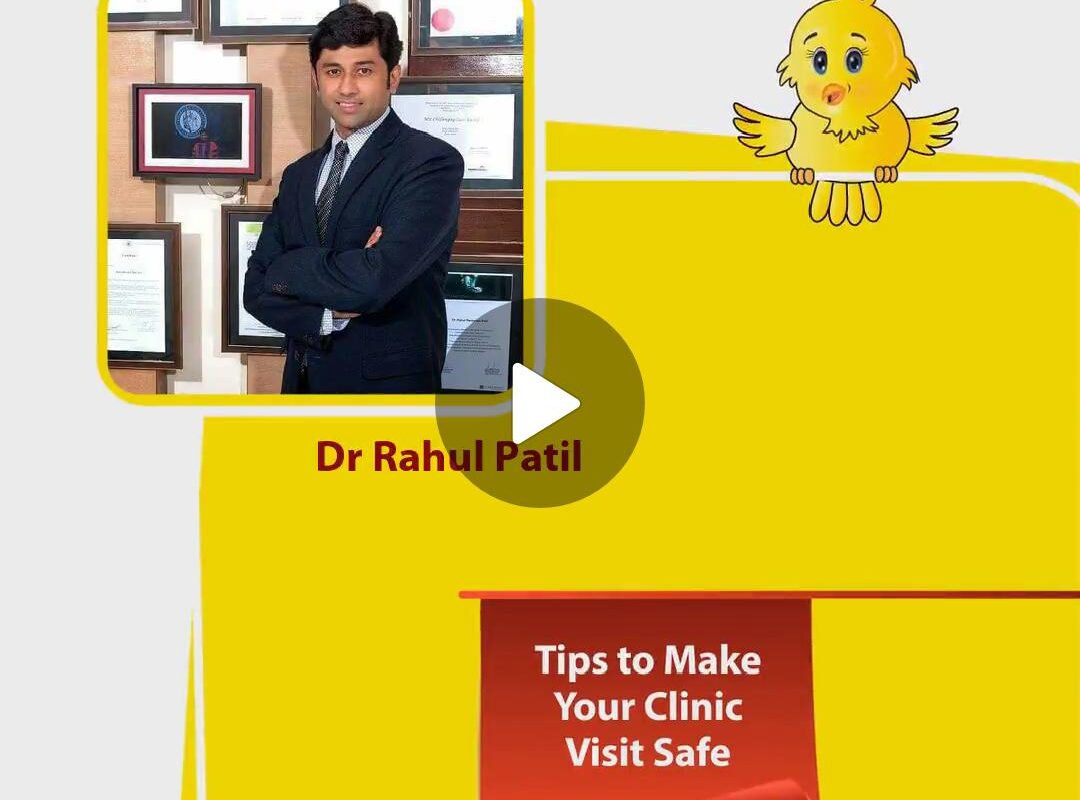
Tips to Make Your Clinic Visit Safe

In the current COVID 19 scenarios take care of oneself is one of the most essential things you can do not only for yourself but also for your family and near and dear once. For us, our patients are a part of our family and so would like to request you to kindly take all possible measures to remain safe. We are available at your service and would like to help you in all possible ways. We also consider it our responsibility to make your clinic visit safe, thus we would like to give you a few tips to make your clinic visit safe and hassle-free during this situation.

. For more information please watch the video

Does smoking affect your heart?

According to the Centers for Disease Control and Prevention, the effects of cigarette smoking account for about 480,000 deaths each year in the United States that is nearly 1 out of every 5 deaths which are higher than any other diseases and out of which majority are heart attack. We all are aware that smoking kills, as it is one of the main causes of lung cancer and other breathing problems. But only a few are aware that it also affects the functioning of the heart as well. In general, terms, when we breathe the oxygen in the air, is infused in the blood and which is then supplied to the entire body. But when we smoke we inhale the smoke which is then infused in the blood and passes through the entire body. The chemicals in the cigarette smoke cause thickening of the blood as well as vessels which make it difficult for the blood flow and later lead to blood clots resulting in cardiac conditions. It is said that 80% of chronic obstructive pulmonary diseases (COPD) are because those patients were smokers. Women are considered to be under high risk than men if they smoke and have a higher percentage of death as well. Therefore Dr. Rahul Patil one of the best cardiologist in pune also suggests his patients quit smoking and lead a healthy and proactive life.

Studies have stated that smoking increases the heart rate in people and also affects their respiratory system, thickens the arteries, increases blood pressure, irregular heart rhythm and also increases the risk of stroke amongst smokers.

Nicotine is the main active ingredient in cigarette smoke and other chemicals like tar and carbon monoxide leads to the builds of fatty plaque in the arteries. Which is considered to be the main cause of cardiac conditions amongst people.

Smoking not just kills you but people around you as well

Have you ever thought about what happens to people around you, when you smoke? These people are called passive smokers. They are the people who are also under high-risk factors as they are exposed to the same amount of smoke that smokers are exposed too and affect their bodies the same way as it affects theirs. According to the American Heart Association, about 40,000 people die of heart and blood vessel diseases by second-hand cigarette smoke and children and teens are affected more. If you really care about your loved one you should definitely consider quitting smoking.

Benefits of quitting smoking:

If you decided to quit smoking then you are on your way to a healthier heart and body as smoking not only affects your heart but it affects your entire body.

  • Your health will improve
  • Your sense of taste and smell will return
  • You will look better
  • You will be able to avoid other diseases like asthma, throat cancer, lung cancer, etc.

How to quit smoking?

One needs to understand that the habit was not developed in a single day and will definitely take time to quit as well but the only thing to keep in mind is to be sustainable at it.

·        Stick to your goal

·        Remove all the supply of it from your homes, cars, and office.

·        Avoid the company of people who pressurize you or trigger your smoking desire.

·        If you feel the need you can also join the counseling groups.

·        Think about people you love.

·        Seek a doctor’s help if needed.

There is no one who would encourage you more than yourself so it is extremely important for you to be motivated and have that desire to quit and lead a healthy life with your loved ones.

International Women’s Day: Women’s more prone to heart attacks than men

International Women’s Day is observed since the 1900s and it’s celebrated on March 8 around the world. It celebrates the social, economic, cultural and political achievements of women. It also marks a call to action for increasing gender parity.

“The story of women’s struggle for equality belongs to no single feminist nor any one organization but to the collective efforts of all who care about human rights.” Once said by Gloria Steinem an American feminist, journalist, and social-political activist. During this shift women had to outperform themselves by taking two huge responsibilities, one being their career where they want to make a remarkable difference and other being their family responsibilities. During this struggle of equality, few things were neglected and compromised immensely, which is women’s health. Women are willing to go that extra mile for their family but tend to forget about themselves. We need to help them change their attitude towards their health. If they do, then only their family will also do well.

A few decades prior Cardiac diseases were considered an old man’s disease, but tragically there has been an alarming increase in several cardiac cases specifically in the age bracket of thirty-five years and above and to be precise the majority of them are observed to be women. Studies also say that the number of women dying of cardiac cases is much higher than of breast or uterus cancer, which is a major cause of concern. The numbers are also said to increase gradually in the due course. It is also said a woman’s lifetime risk of dying from the cardiac disease is eight times greater than that of breast cancer!


Dr. Rahul Patil one of the best cardiologist in pune, suggests all his patients to work towards their health and lead a proactive life. He also understands it is quite challenging for women to pay due attention to their health as they have to strike a balance in their work-life. Based on past studies, it was observed that the majority of people concerning cardiac diseases are men over women. But there has been a recent shift and studies say the women are on a higher rate of risk than men. This sift took place gradually. Various factors have contributed to the increase in risk and few of them are

  1. High level of stress
  2. Poor lifestyle
  3. Lack of physical activity
  4. Smoking has a greater risk factor in women than in men.
  5. High Cholesterol Levels
  6. High Blood Pressure
  7. Obesity
  8. Drop-in estrogen levels

Are a few of the reasons. Estrogen is a hormone considered to protect women against cardiac diseases until menopause. Which is a reason why women have a higher age limit for heart attack as compared to men. But overtime, there has been a steep decrease in the level of estrogen in women, which has triggered cardiac disease rate in them.

It has also been observed that the symptoms of a heart attack in women are different from that in men. Women tend to have more atypical symptoms over the typical in men like:

  1. Unusual Fatigue
  2. Shortness of breath
  3. Dizziness
  4. Indigestion
  5. Nausea or vomiting
  6. Sweating

So this women’s day let’s create awareness about cardiac diseases and contribute as much as we can and help the beautiful women in our life lead a healthy and fruitful life as they help us live one. Let’s contribute our little bit in house hold responsibilities as it’s not just their paradise. By helping them, make sometimes for themselves and push them a little extra to gain health. This women’s day tells your mother, wife, daughter or friend that you care and to follow the motto of “Rest a While and run a mile”.


Atrial Septal Defects

Congenital anomalies (Birth Defect) are the major causes of death in the new born within the initial four weeks of birth. Objective Congenital heart defects (CHDs) affect a large number of newborns with a high mortality rate. Majority of these cases are diagnosed between 0 – 5 years of age. Atrial septal defect being the most frequent defect observed in the newborn as well in adults. If an individual at any time observes any symptoms of atrial septal defects in a newborn he or she should on an urgent basis consider consult one of the best Paediatric Cardiologist.

A similar such case came forward in pune, when an 18 year young female, suffering with atrial septal defect having a 23 mm hole in the heart was admitted in the hospital for a heart condition. In her case the left sided oxygenated blood which is supplied to the body from heart was getting mixed with the right side de-oxygenated blood which flows back to the heart carrying impure blood. The usual symptoms of this diseases are shortness of breath, heart palpitation, skipped beats, fatigue or swelling of leg, feet and also abdomen. This condition increasing the burden on heart also causing dilatation of heart and extra blood to overfill the lungs. If this condition if not treated, can also result in enlarged and weakening of heart muscles and eventually leading in pulmonary hypertension is considered the best cardiologist in pune, is one such doctor who has successfully cured several patients with similar condition.

In this case there are two procedures available for successfully treating the condition i.e. conventional Method & Device Closure Method. In conventional method the patient is required to undergo an open heart surgery with opening of the chest wall. In this method a 25 to 30 stitches, ugly scar is formed post-surgery. This scar subconsciously causes depression amongst the patients and more specifically amongst young, unmarried female in such cases the scar become a social taboo in the society and many times it also results in marriage conflict which eventually results in signs of depression amongst the patients. Whereas with the device closure method the surgery can be performed without a single stitch over body and easy and fast recovery. It is very important decision as one needs to entrust and choose a doctor who has a successful track record like the best cardiologist in India.

In this case the patient underwent a successful device closure surgery without a single stich. The procedure was done expertly from right leg i.e. groin by dr. Rahul patil in the best heart clinic in pune.

Conventionally the open heart surgery patient stays in hospital for 8 days and with a recovery time of 2 -3 month. While in device closure surgery, patient needs to stay in hospital for only 2 days and can walk out of hospital fully functional after 5th day.

It is best said in such cases that “Not every birth defect is associated with something we can do to prevent it. But those we can prevent, we should”.

Ignorance Can Cost You, Your life

According to The Hindu Business Line, Heart disease and stroke together contributed to 28·1% of total deaths in India in 2016 —compared with 15·2% in 1990. Heart disease contributed 17·8% of total deaths in India. The primary reason being lack of awareness and knowledge. Dr. Rahul Patil – one of the Best cardiologist in Pune, who is continuously thriving to create awareness amongst people for heart-related conditions.

The number of cases for heart attack has vastly increased in the past decade and so have the death rate relating to it. The unusual symptoms of heart attack are one of the main reasons for usually misleading patients for some other reason for their discomfort and not a heart problem, resulting in a delay for medical help, which is the usual reason for complications in patient’s outcomes. 

It increasing the risk factor because the more you delay visiting the doctor from the onset of pain more will be the damage caused to your heart. Resulting in more complications even with the best of treatment and health institute. So it is said time is the muscle of the heart. 

The usual symptoms of a heart attack are heaviness in the chest, pressure symptoms, shoulder pain and left arm pain associated with sweating. 30% of people may have severe acidity, nausea, and vomiting as a symptom of a heart attack. In Rarely cases people may have shoulder pain, back pain, choking sensation in neck or only jaw pain as a symptom of a heart attack. Thus leading to confusion in the patients for timely and proper diagnosis.

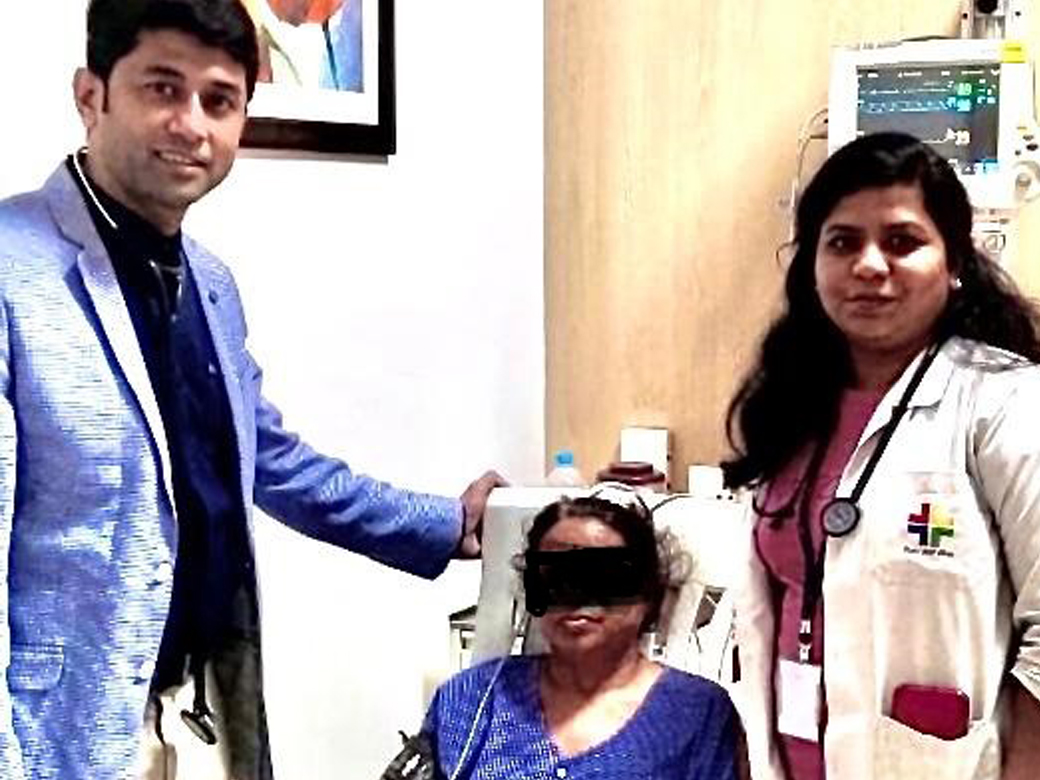
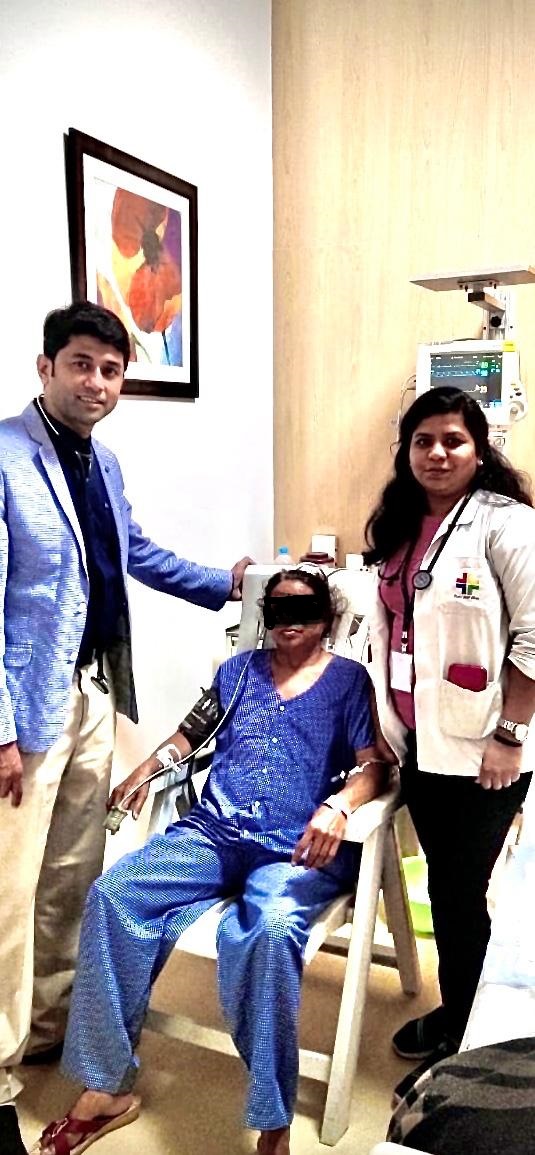
A similar case took place on 25th Feb 2020 a young female of 55 years was admitted to hospital for acute chest pain for the past six hours. On examining the ECG, Dr. Rahul Patil – best cardiologist in india, confirmed a heart attack in the right artery with 100% blockage with blood clots.Dr. Rahul patil-best cardiologist in pune with patient

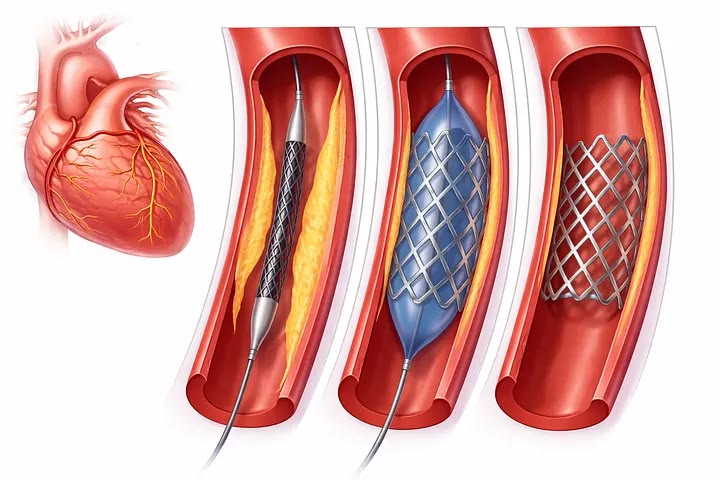
The patient was advised an urgent primary angioplasty. It is a special and complex form of angioplasty with a lot of clots in the heart that needed to be removed, only minuscule of people are trained and have the expertise in this procedure and Dr. Rahul Patil is one of them, one of the best cardiologists in pune.

Despite many complications, the procedure went successfully and in 12 hours the patient was happy and pain-free. A cardiologist is the only one, who is skilled enough to make it stop and restart altogether. But the problem does not end here itself. We all need to be aware of our health and start listening to what our body wants to convey by its small but crucial signs, let’s work towards it. One needs to cherish what he has. 

ब्लडप्रेशर और हाइपरटेंशन के बारे में पूरी जानकारी

मैं डॉक्टर राहुल पाटिल Consultant Cardiologist Ruby Hall Pune and Director Hridayam Heart Care Clinic and ESMR Center Pune. में आज Blood Pressure अथवा हाइपरटेंशन के बारे में बात करने वाला हु | हाइपरटेंशन ये काफी अनजान जैसी बीमारी है जिसका कोई  डायग्नोसिस भी नहीं होता है और पहली बार पेशेंट उस वक्त में उसको ब्लड प्रेशर के साथ heart attack और Paralysis जैसे symptoms आते  है| तो यह हाइपरटेंशन क्या है इसके बारे में हमें जानना बहुत जरूरी है क्योंकि World Health Organisation रिपोर्ट आया था उसमें ऐसा कहा गया है कि दुनिया में 1/4 पॉपुलेशन जो है ये blood pressure  से पीड़ित है। और इसमें भारत का प्रमाण कुछ अच्छा नहीं है. भारत के पॉपुलेशन में 23 %पुरुष वर्ग में और 22 % महिला वर्ग में 25 उम्र से ज्यादा उम्र के लोगों में लक्षण पाया गया है और इन सब रिपोर्ट में जब हम देखते हैतो उसमें 15% में अनकंट्रोल ब्लडप्रेशर देखा गया है| तो ये ब्लडप्रेशर काफी भयानक और काफी डेंजरस बीमारी है जिसे लॉन्ग टर्म में काफी कॉम्प्लेक्स आ सकते हैं। इसलिए हम इस बीमारी के बारे में आज बात करेंगे|

 हाइपरटेंशन क्या है?

हाइपरटेंशन ये Rise in Blood pressure हैं| आम इंसान का ब्लड प्रेशर जब हम लक्षण गिनते हैं तो ये लक्षण 120 से140 पारा ऐसा कहा जाता है. 2018 के अनुसार अगर कोई भी ब्लड प्रेशर 120 से 130 के बीच में  to ये ब्लड प्रेशर को Elevated Blood Pressure कहा जाता है । और isse आगे Stage 1 and Stage 2 को हम हाइपरटेंशन बोलते है . स्टेज वन मतलब जिसका ब्लड प्रेशर 130 से 140 के बीच में ऊपर वाला और नीचे का ८० और ९० के बिच में है तो उसको बोलते है स्टेज वन हाइपरटेंशन और Stage 2 हाइपरटेंशन मतलब जिसका ब्लड प्रेशर 140 से ज्यादा है और  नीचे का ब्लड प्रेशर 90 जाता है तो इसे Stage 2 हाइपरटेंशन कहते हैं।

 ये ब्लड प्रेशर हमें क्यूं होता है? और इसका क्या क्या कारण है ये हमें जान लेना बहुत जरूरी है?

आजकल बहुत कम उम्र में हमें ब्लडप्रेशर की बीमारी दिखाई देती है। जब भी कोई आईटी प्रोफेशनल या कोई गृहिणी हमारे पास रूटीन चेकअप के लिए आती है तो हम उनका बीपी चेक करते हैं तो 100 में से 15 लोगों में ब्लडप्रेशर बिना कोई लक्षण के ज्यादा दिखाई देता है। अगर हम उसे कहते हैं कि इससे आपको ब्लडप्रेशर है तो वो भी surprise हो जाते हैं। अगर आपको 25 या किसी उम्र में आजकल प्रेशर आता है तो आगे चल के आपको इससे जानलेवा हार्ट का या ब्रेन का प्रॉब्लम हो सकता है। इसलिए हमें इसके कारण ध्यान देना जरुरी है |तो अभी हम जिस तरह से बात कर रहे हैं कि जिस कम उम्र में  आजकल ये blood pressure देखा जाता है

1.आमतौर पर ये कम उम्र में कारण में ही देखा जाता है कि जिसके फैमिली हिस्ट्री स्ट्रॉन्ग है बच्चे के माता पिता में ब्लड प्रेशर है तो उनमें ब्लडप्रेशर की चांसेज ज्यादा है। पर ऐसे लोगों में और लाइफस्टाइल खराब है तो उसमें ज्यादा हो सकता है लाइफस्टाइल में अगर आपके Solid intake मतलब आपका नमक खाने का प्रमाण अगर ज्यादा है तो आपको ब्लड प्रेशर जल्दी हो सकता है.

2.अगर आपके खाने में जो चीजे आप खाते। हाई कैलोरी और फैट फूड कहते हैं जिसमें आप पिज्जा या बर्गर या काफी तेल की चीजे आप ज्यादा पसंद करते हैं ज्यादा हम उसे बोले कि जिस चीज में ज्यादा टेस्ट है कोई भी टेस्टी चीज जब खाने में आई तो उसमें ज्यादातर ऑयल और कोलेस्ट्रॉल ज्यादा होता है तो ऐसी चीजों से ब्लडप्रेशर बढने के चांसेज ज्यादा होते हैं।

3.आजकल  उम्र से कम लोगों ने तनाव का प्रमाण बहोत ज्यादा है स्पेशली आईटी प्रोफेशनल्स में हम देखते हैं कि उनकी ड्यूटी आवर्स  12 12 घंटे होते हैं। सबेरे जल्दी निकलते हैं शाम को देर से आते सो आईटी प्रोफेशन में स्ट्रेस और सोने का अभाव मतलब स्ट्रेस तो ज्यादा ही है। मगर सोने का वक्त भी ठीक नहीं है और जिनको रात को 11 12 बजे सोते और सवेरे जल्दी उठ जाते उनकी नींद पूरी नहीं होता है तो ये जिनका नींद पूरा नहीं होता इन लोगों में भी blood pressure बहुत ज्यादा दिखाई देता है और जिन लोगों में से व्यायाम का प्रमाण कम है और जो व्यायाम करता ही नहीं है  ऐसे लोगों में जिसका cylinderic लाइफस्टाइल है मतलब पूरा दिन ऑफिस में बैठे रहते हैं खाना वक्त में नहीं खाते मानसिक तनाव से मगर शारीरिक stress नहीं है शारीरिक श्रम नहीं। तो ऐसे लोगों में इस lifestyle के वजेसे मोटापा बढ़ता है पर मोटापा बढ़ने से blood pressure की बीमारी ही बढती है वह हमारे मोटापा बढने के साथ इन लोगों में और रात में मुख्यतः लम्बी लम्बी खर्राटे लेने की आदत पड़ती है और इस बीमारी को बोलते हैं sleep apnia सिंड्रोम  sleep apnia सिंड्रोम के लोगों में भी 15 से 20 % लोगों में ब्लडप्रेशर पाया जाता है तो ये सभी ऐसी कुछ  कारण है जिसकी वजह से ब्लडप्रेशर होता है।

अभी बहोत कॉमन कारण जो तरूण लोगों में देखा जाता है। ये है स्मोकिंग हैंड फोम है जो लोग सिगरेट पीते हैं। जो लोग तंबाकू का सेवन करते हैं ऐसे लोगों में भी ब्लडप्रेशर कम उम्र देखा जा सकता है तो ये सारे कारण थे जिससे हमें आगे चलके ट्रीटमेंट करना पड़ता है। तो अगर आपको ब्लडप्रेशर है तो आपको लक्षण क्या आ सकते हैं। तो अगर हम आपको बताएं तो आप आश्चर्य चकित हो जाएँगी की 50% लोगों में कोई लक्षण नहीं फैलता है।

या वो रूटीन चेकअप में जाते हैं तो तब उन्हें मालूम पड़ता है कि आपको ब्लडप्रेशर तो 50 70 लोगों में तो कोई लक्षण भी लगे फिर भी उनको ब्लड प्रेशर नहीं अंदर दीमक की तरह खराब करते जाता है और बीमारियां देते जाता है और पेशेंट को उसके बारे में पता भी नहीं चलता है .तो 50%लोग तो स्पर्शोन्मुख मतलब कोई भी बिना लक्षण रहते हैं फिर भी जो लोगों में लक्षण दिखाई दिए थे वो सामान्य लक्षण ये है कि आपको हेडेक होता है मतलब  सिरदर्द होता रहता है उसके कारण ठंडा पसीना आना चक्कर जैसे होना और बेचैनी महसूस करना या बेचैनी लगते रहना कि हमें कुछ तो गड़बड़ और जल्दी थकान हो जाना आपको रात को नींद ना आना तो ये सारे सिम्पटम्स कुल मिला के आपको blood pressure के लक्षण में ढाल सकते हैं। मगर काफी बार ऐसा देखा जाता है आपको ब्लडप्रेशर है तो ब्लडप्रेशर Asymptomatic मतलब कोई लक्षण नहीं आया और आपका ब्लड प्रेशर धीरे धीरे 2,3,4 सालों में आपको पता ही नहीं चला तब ब्लड प्रेशर ज्यादा है और बहोत  बार पांचवें साल के बाद आपका ब्लड प्रेशर 180 190 हो गया है और फिर भी आपको कोई लक्षण नहीं है तो ऐसे लोगों में suddenaly पैरालिसिस का झटका आ सकता है| या ब्लड प्रेशर जब पहली बार डायग्नोस हुआ तो उसी दिन आपको स्ट्रोक हो गया है या हार्ट अटैक हो गया है तो ऐसे सिम्पटम्स बहुत आमतौर पर दिखाई देते हैं तो ब्लड प्रेशर के बारे में हम इतना जो बात कर रहे है , ब्लड प्रेशर इतना खराब आपके लिए क्यों है तो ये ब्लड प्रेशर क्या क्या करता है शरीर में ब्लड प्रेशर मतलब आपके रक्त वाहिकाएं में से जो खून आपके शरीर में दौड़ाता sare orgon ko जब सप्लाय करता है तो ये ब्लड  वाहिकामेका प्रेशर मतलब blood pressure है ।

जितना हाई ब्लड प्रेशर रहेंगा उतनाही हाई प्रेशर से ब्लड आपके अंग को मिलनेवाली है अगर इतने हाय प्रेशर से ब्लड आहार आपको मिलता है आपके अंग को तो आपके अंग ख़राब हो सकते है उसका आमतोर  पे उलझन रहता है उसको मेडिकल टर्म में अथेरोस्क्लेरोसिस बोलते है मतलब ब्लड प्रेशर की वजेसे आपकी सारी नसे जो ब्लड लेके जातीहै उसपे मोटापा होना कोलेस्ट्रॉल जमा होना और ओ मोटा होने के बाद कठोर हो जाती है और उसकी एलास्टिसिटी काम हो जाती है तो इसको बोलते है अथेरोस्क्लेरोसिस .ये अथेरोस्क्लेरोसिस ही हे जिसके वेजसे पहिला लक्षण हाइपरटेंशन का जो आता है उसे परैलिसिस बोलते है स्ट्रोक बोलते है .स्ट्रोक  २ तराके होते है जिसका ब्लड प्रेशर ज्यादा होने से मतलब २२० के ऊपर चला जाये तो अचानक ब्रेन की कोई नस फट जाती है और पेशंट के दिमाग में रक्तश्राव हो जाता है और उसकी वजेसे  पेशंट बेहोश होके उसे पक्षाघात हो जाता है . ब्लड प्रेशर ज्यादा नहीं हो खून कि गाठ होक ब्रेन में जाके ओ कहिपे रक्तश्राव कम करदे तो इसमे  पेशंट के किसी भाग में रक्तश्राव बंद होजाये तो उसको Ischemic स्ट्रोक कहते है और इसकी वजसे आपके ब्रेन  में पैरालिसिस का प्रेजेंटेशन आ सकता है तो ये सामान्य प्रेजेंटेशन है| दूसरा जो प्रॉब्लम हाइपरटेंशन के साथ देखा जा सकता है ओ हार्ट अटैक . ब्लड प्रेशर मोटा होक व्हापे कोलेस्ट्रॉल जमा होता है तो हाइपरटेंशन बहोत सामन्य कारण है जिसकी वजसे नसों में कोलेस्ट्रॉल जमा होता है और उसकी वजसे हार्ट अटैक सम्भवना बढ़ जाती है और ओ हार्ट अटैक सम्भवना किसी एक पेशंट में हम हिसाब करे तो उसकी  सम्भवना सामन्य व्यक्ति से १५% बढ़ जाती है और उसका सिर्फ एकहि कारण है राइज इन ब्लड प्रेशर .अगर किसी पेशंट में ये ब्लड  प्रेशर काफी उनकंट्रोलड रहा तो उसकी दोनों किडनी ख़राब हो सकती है . और उसके साथ कुछ लोगो में आँखों में प्रॉब्लम हो सकती है उसको रेटिनोपैथी कहते है और उसकी वजेसे आपकी आंखे भी जा सकती है .अभी ब्लड प्रेशर के बारे इतना सब जाने के बाद की ये किस वैजेसे होता है उसका कारण क्या है उसके प्रेप्रेजेंटेशन क्या है .ये सब जाने के बाद अगर आपको बताया जाये की ये ब्लड प्रेशर का निदान कैसे होता है तो आप किसी भी डॉक्टर के पास जाओ ओ आपका ब्लड प्रेशर गिनके देगा.अपनी पढ़ाई करते पहले दूसरे साल में ही उनको ब्लडप्रेशर कैसे गिना जाता है तो सिखाया जाता है फिर में मैं आपके लिए बताऊंगा कि ब्लड प्रेशर कैसे होंगे।ब्लड प्रेशर गिनने के लिए अगर आपको किसी हॉस्पिटल में जाना है और आपको डर लग रहा है तो फिर आपका ब्लड प्रेशर बढ़के आता है तो उस ब्लड प्रेशर को हम बोलते है सफेद कोट उच्च रक्तचाप फिर भी आप डॉक्टर के पास गए हे, तो आपको १ घंटा पहले चाय और कॉफी नहीं पिणि है जानेके बाद १० मिनिट शांति से बैठना है उसके बाद ये ब्लड प्रेशर बैठके चेक करना है आपको टेबल पे लेटना नहीं है

Hi, How Can We Help You?