
• 301,302 Choice A Apartment, Opposite Ruby Hall, BS Dhole Patil Path, Pune, Maharashtra 411001
  • Mon - Sat 8.00 - 18.00. Sunday CLOSED

Author Archives: Dr. Rahul Patil

Breathlessness and Heart Health: Understanding the Connection

Breathlessness and Heart Health: Understanding the Connection | Heart clinic in pune

Have you ever climbed a flight of stairs and felt strangely out of breath, even though you weren’t rushing? Or maybe you’ve noticed you get winded doing things that never used to bother you. It’s easy to brush this off as being “out of shape.” But sometimes, breathlessness is your body’s way of telling you something about your heart.

This guide walks through what breathlessness actually is, how it connects to heart health, when it’s worth getting checked, and what doctors typically look for. It’s written in plain language, so whether you’re a patient trying to understand your symptoms or a caregiver trying to help someone you love, you’ll find something useful here.

What Is Breathlessness, Really?

Breathlessness — also called shortness of breath or dyspnea — is the feeling that you can’t get enough air. It’s not just about breathing fast. It’s a sensation, and it can show up in different ways depending on the person and the cause.

People often describe it as:

  • A tight or heavy feeling in the chest
  • Struggling to take a full, satisfying breath
  • Needing to breathe faster than usual, even at rest
  • Feeling breathless after mild activity, like walking to the mailbox
  • Waking up at night gasping for air

Breathlessness isn’t a disease on its own. It’s a symptom — and figuring out what’s causing it is the real goal.

How Is Breathlessness Connected to Heart Health?

Your heart and lungs work as a single system, even though we usually think of them separately. The heart pumps blood to the lungs to pick up oxygen, then sends that oxygen-rich blood out to the rest of the body. When the heart isn’t pumping efficiently, blood can back up into the lungs, making it harder to breathe.

This is one of the most common reasons breathlessness and heart problems show up together.

Why the Heart and Lungs Work as a Team

Think of your circulatory system like a delivery route. The heart is the engine, and the lungs are the loading dock where oxygen gets picked up. If the engine slows down or struggles, deliveries get delayed — and in this case, that “delay” feels like breathlessness.

When the heart muscle weakens, or a valve doesn’t close properly, fluid can build up around the lungs. This is sometimes called pulmonary congestion, and it’s a common reason people feel breathless even while sitting still.

Common Heart-Related Causes of Breathlessness

Several heart conditions can cause or worsen shortness of breath, including:

  • Heart failure – when the heart can’t pump blood as efficiently as it should
  • Coronary artery disease – narrowed arteries reduce blood flow to the heart muscle itself
  • Arrhythmias – irregular heartbeats that affect how well blood is pumped
  • Valve disorders – leaky or narrowed valves that disrupt normal blood flow
  • Cardiomyopathy – a weakened or enlarged heart muscle

In many of these cases, breathlessness doesn’t appear alone. It’s often paired with fatigue, swelling in the legs or ankles, or a persistent cough.

Other Causes of Breathlessness (Not Always the Heart)

It’s worth remembering that breathlessness doesn’t always point to a heart problem. Many other conditions can cause the same feeling, such as:

  • Asthma or chronic obstructive pulmonary disease (COPD)
  • Anemia, where the blood carries less oxygen than it should
  • Anxiety or panic episodes
  • Being out of shape or carrying extra weight
  • Lung infections like pneumonia

This is exactly why breathlessness deserves attention rather than guesswork. The same symptom can mean very different things depending on what’s happening inside the body.

When Should You Worry About Breathlessness?

Occasional breathlessness after intense exercise is normal. But some patterns are worth paying closer attention to.

If breathlessness comes on suddenly, happens at rest, or is paired with chest discomfort, sweating, or dizziness, it needs prompt medical evaluation.

Signs That Need Immediate Medical Attention

Seek urgent care if breathlessness is accompanied by:

  • Chest pain, pressure, or tightness
  • Pain spreading to the arm, jaw, or back
  • Sudden dizziness or fainting
  • Cold sweats
  • A bluish tint to the lips or fingertips
  • Breathlessness that wakes you from sleep

These combinations can point to something time-sensitive, like a heart attack or heart failure episode, so it’s better to get checked than to wait it out.

How Doctors Diagnose the Cause of Breathlessness

If you bring up breathlessness with a doctor, they’ll usually start by asking when it happens, how long it lasts, and what makes it better or worse. From there, they may recommend:

  • Electrocardiogram (ECG) – checks the heart’s electrical activity
  • Echocardiogram – an ultrasound that shows how well the heart is pumping
  • Chest X-ray – helps rule out lung-related causes
  • Blood tests – can detect anemia or markers linked to heart strain
  • Pulmonary function tests – used when a lung condition is suspected

None of these tests alone gives the full picture. Doctors usually combine your symptoms, history, and test results before concluding.

Living With Breathlessness: Practical Everyday Tips

If you or someone you’re caring for experiences breathlessness regularly, a few habits can make daily life more manageable:

  • Pace activities instead of rushing through them
  • Practice slow, controlled breathing techniques
  • Keep a symptom diary noting when breathlessness occurs
  • Maintain a healthy weight, which reduces strain on the heart
  • Limit salt intake if you have a heart condition, since it can worsen fluid buildup
  • Stay consistent with prescribed medications and follow-up appointments

Small adjustments like these often make a noticeable difference in comfort and confidence during everyday activities.

Frequently Asked Questions

Can shortness of breath be an early sign of heart disease?
Yes, in some cases. Breathlessness during light activity, especially when it’s new or getting worse, can be an early signal of a heart issue and is worth discussing with a doctor.

Is breathlessness always related to the heart?
No. Lung conditions, anemia, anxiety, and general fitness levels can all cause breathlessness. A proper evaluation is the only way to know for sure.

How can I tell if my breathlessness is from anxiety or a heart problem?
Anxiety-related breathlessness often comes with rapid, shallow breathing and a racing mind, and tends to ease once you calm down. Heart-related breathlessness is more likely to appear with exertion, swelling, or chest discomfort. Either way, a doctor can help clarify the cause.

Should I go to the emergency room for breathlessness?
If it comes on suddenly, is severe, or is paired with chest pain, fainting, or bluish lips, yes — seek emergency care immediately.

A Final Note

Breathlessness can feel unsettling, especially when it shows up unexpectedly. Sometimes it’s harmless. Sometimes it’s your body flagging something that needs attention. The safest approach is simple: notice patterns, don’t ignore sudden changes, and talk to a doctor when something feels off. Your heart and lungs work together every second of the day—listening to them is one of the simplest forms of self-care.
 

bypass surgery

Bypass Surgery: What Patients Should Know Before, During, and After the Procedure

Heart health depends on a continuous supply of oxygen-rich blood reaching the heart muscle through coronary arteries. When these arteries become severely narrowed or blocked due to plaque buildup, the heart may not receive enough blood, especially during physical activity. In certain situations, bypass surgery may be considered to create a new pathway for blood flow and support the heart’s oxygen supply.

With increasing awareness about cardiovascular health, many patients search for reliable information about coronary artery disease, bypass procedures, recovery, and preventive heart care. People often look for guidance related to the Best Cardiologist in Pune, and to better understand heart surgery, diagnosis, and long-term heart health management.

bypass surgery

What Is Bypass Surgery?

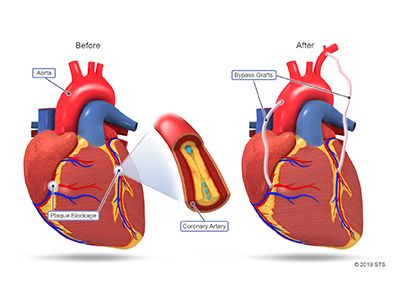
Bypass surgery, medically known as Coronary Artery Bypass Grafting (CABG), is a cardiac procedure used to improve blood circulation to the heart muscle when coronary arteries are significantly narrowed or blocked.

During the procedure, a healthy blood vessel from another part of the body is used to create a new route around the blocked artery. 

The goal of bypass surgery is to improve blood supply to areas of the heart affected by reduced circulation.

Why Is Bypass Surgery Needed?

The heart requires a constant supply of oxygenated blood to function properly. Coronary artery disease can reduce this supply due to plaque accumulation inside arteries.

Bypass surgery may be considered when:

  • Multiple coronary arteries are blocked
  • Blockages are located in important areas of the heart arteries
  • Symptoms continue despite medications and lifestyle changes
  • There is reduced blood flow to the heart muscle
  • Certain types of artery disease require surgical management

The decision depends on several factors, including artery condition, heart function, overall health, and individual risk factors.

Understanding Coronary Artery Disease

Coronary artery disease is one of the most common heart conditions worldwide. It develops when fatty deposits, cholesterol, and other substances accumulate inside artery walls.

This process is called atherosclerosis.

Over time, plaque buildup may:

  • Narrow the artery opening
  • Reduce blood flow
  • Limit oxygen supply to the heart
  • Increase the risk of chest discomfort and heart-related complications

Lifestyle factors and medical conditions can influence the development of coronary artery disease.

Common Causes and Risk Factors for Heart Artery Blockages

Several factors may contribute to coronary artery narrowing.

High Cholesterol

Elevated cholesterol levels can contribute to plaque formation inside blood vessels.

High Blood Pressure

Long-term uncontrolled blood pressure may damage artery walls and increase cardiovascular strain.

Diabetes

High blood sugar levels can affect blood vessel health and circulation.

Smoking

Tobacco exposure is strongly associated with artery damage and heart disease.

Obesity

Excess body weight may increase cardiovascular risk.

Family History

Genetic factors may influence the likelihood of developing heart disease.

Understanding these risk factors helps individuals focus on prevention and early monitoring.

Symptoms That May Lead to Bypass Evaluation

Common symptoms include:

  • Chest pressure or discomfort
  • Shortness of breath
  • Fatigue during physical activity
  • Pain spreading to the arm, shoulder, neck, or jaw
  • Reduced exercise capacity
  • Dizziness in some cases

Some people may experience mild symptoms or no symptoms until the disease becomes more advanced.

How Is Bypass Surgery Performed?

Bypass surgery is performed under general anesthesia. During the procedure, surgeons create an alternate pathway for blood flow around blocked coronary arteries.

General Steps Include:

1. Preparing the Blood Vessel

A healthy blood vessel is selected from another part of the body, commonly from the chest, arm, or leg.

2. Creating the Bypass Route

The selected vessel is connected beyond the blocked area of the coronary artery.

3. Restoring Blood Flow

The new pathway allows blood to reach the heart muscle more effectively.

The number of bypass grafts depends on how many arteries require new pathways.

Types of Bypass Surgery

Different approaches may be used depending on the patient’s condition.

Traditional Coronary Artery Bypass Surgery

This is the commonly performed method where the chest is opened to access the heart.

Off-Pump Bypass Surgery

This approach is performed while the heart continues beating, without using a heart-lung machine in selected cases.

Minimally Invasive Bypass Approaches

Some patients may be evaluated for smaller-incision techniques depending on their artery condition and overall health.

The suitable method depends on individual medical factors.

Recovery After Bypass Surgery

Recovery after bypass surgery is a gradual process. The timeline can vary depending on age, health condition, and the complexity of surgery.

During Recovery, Patients May Focus On:

  • Following medication schedules
  • Maintaining wound care
  • Gradually increasing physical activity
  • Attending follow-up appointments
  • Following heart-friendly lifestyle habits

Cardiac rehabilitation programs may also support recovery through guided exercise, education, and lifestyle improvement.

Lifestyle Changes After Bypass Surgery

Bypass surgery improves blood flow, but maintaining long-term heart health also requires attention to daily habits.

Healthy Diet

A balanced diet with fruits, vegetables, whole grains, and healthy protein sources may support cardiovascular wellness.

Regular Physical Activity

Appropriate exercise helps improve circulation and overall fitness.

Managing Stress

Chronic stress may influence blood pressure and heart health.

Controlling Health Conditions

Monitoring conditions like diabetes, cholesterol, and high blood pressure remains important.

Avoiding Tobacco

Stopping tobacco use supports better blood vessel health.

Risks and Awareness Related to Bypass Surgery

Like any major medical procedure, bypass surgery involves possible risks. Doctors evaluate individual health conditions before recommending surgery.

Possible risks may include:

  • Infection
  • Bleeding
  • Heart rhythm changes
  • Temporary memory or concentration changes
  • Recovery-related discomfort
  • Kidney-related concerns in some individuals

Understanding these possibilities helps patients and families prepare for the recovery process.

Bypass Surgery vs Angioplasty: Understanding the Difference

Both bypass surgery and angioplasty aim to improve blood flow to the heart, but they are different procedures.

Angioplasty

  • Uses catheter-based techniques
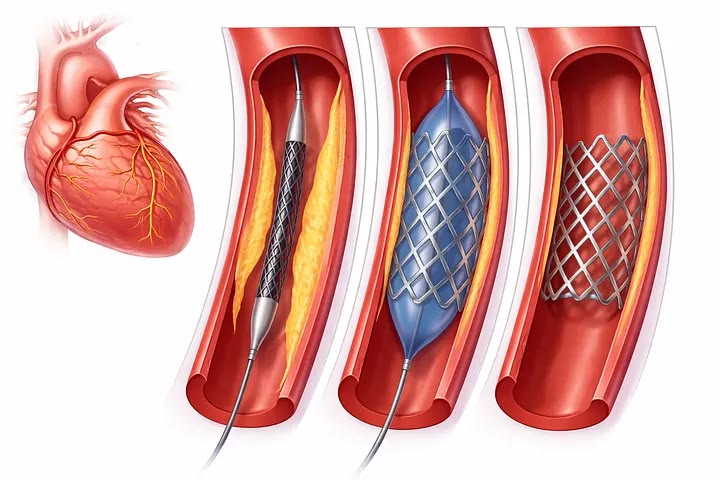
  • Usually involves balloon expansion and stent placement
  • Often used for selected artery blockages

Bypass Surgery

  • Makes a new blood flow pathway around blocked arteries
  • May be considered for multiple or complex blockages

Doctors decide the appropriate approach based on artery condition, symptoms, and overall health.

Importance of Preventive Heart Care

Even after bypass surgery, preventive care remains important. Heart disease management is not only about procedures but also about maintaining healthy habits and regular monitoring.

Preventive cardiology focuses on:

  • Early risk identification
  • Blood pressure control
  • Cholesterol monitoring
  • Diabetes management
  • Healthy lifestyle practices

A Paediatric Cardiologist in Pune may also play an important role in evaluating heart conditions in children, especially those with congenital heart concerns or family history of cardiac problems.

Frequently Asked Questions About Bypass Surgery

Is Bypass Surgery a Permanent Solution?

Bypass surgery improves blood flow through newly created pathways, but maintaining heart health requires ongoing lifestyle management and monitoring.

How Long Does Recovery Take After Bypass Surgery?

Recovery time differs between individuals depending on health condition, age, and surgical factors.

Can Heart Blockages Return After Bypass Surgery?

New blockages can develop over time depending on lifestyle habits and underlying risk factors.

Is Bypass Surgery Better Than Angioplasty?

Neither procedure is suitable for every patient. The choice depends on the location and severity of blockages and overall heart condition.

Growing Awareness About Advanced Heart Care in 2026

Healthcare awareness has changed significantly with the growth of digital information, AI-powered search, and patient education platforms. People now research heart conditions, procedures, and recovery expectations before discussing options with healthcare professionals.

Searches related to coronary artery disease, bypass surgery, angioplasty, and preventive heart care continue to increase as individuals become more aware of cardiovascular wellness.

Reliable medical information helps patients understand procedures in simple language and make informed decisions about their health.

Conclusion

Bypass surgery is an important cardiac procedure used to improve blood circulation when coronary arteries become severely narrowed or blocked. Understanding the reasons behind bypass surgery, preparation, recovery, lifestyle changes, and long-term heart care can help patients and families feel more informed.

Heart health depends on continuous awareness, preventive measures, regular monitoring, and healthy lifestyle choices. Educational guidance from trusted sources, along with evaluation by a qualified Cardiologist in India, can support better understanding of cardiovascular health and modern heart care approaches.


angiography

Understanding the Role of Coronary Angiography in Detecting Heart Blockages

Heart health depends on the smooth flow of oxygen-rich blood through the coronary arteries. When these arteries become narrowed or blocked, the heart muscle receives less oxygen, which can lead to discomfort, reduced function, or even cardiac emergencies. Detecting such blockages early plays a key role in managing overall heart wellness.
As explained by the Best Cardiologist in Pune, coronary angiography remains one of the most reliable diagnostic techniques for assessing the condition of the heart’s blood vessels and identifying the severity of any narrowing.

What Is Coronary Angiography?

Coronary angiography is a diagnostic imaging procedure that uses contrast dye and X-rays to visualise the heart’s arteries. It helps determine whether blood flow is restricted due to plaque buildup or other abnormalities.
This procedure is often used when non-invasive tests such as electrocardiograms (ECG), echocardiograms, or stress tests suggest that there may be a problem with blood circulation in the coronary arteries.

During the test, a thin flexible tube known as a catheter is gently guided through a blood vessel, usually from the wrist or groin, toward the coronary arteries. A special dye that appears on X-rays is injected through the catheter, allowing doctors to see detailed images of the arteries and identify any blockages or narrowing.

angiography

Why Is Coronary Angiography Important?

The importance of coronary angiography lies in its accuracy and detailed visualisation of the coronary vessels. It helps medical professionals:

  1. Identify Blockages:
    It reveals the exact location and extent of narrowing or blockage within the coronary arteries. 
  2. Determine Severity:
    The results indicate whether the narrowing is mild, moderate, or severe, which is important for planning further medical evaluation. 
  3. Assess Blood Flow:
    The test provides real-time images of how blood moves through the coronary arteries and helps detect any areas of reduced circulation. 
  4. Guide Next Steps:
    Based on the findings, doctors can decide whether medication, lifestyle adjustments, or further procedures like angioplasty might be appropriate for managing heart function. 

    How Coronary Angiography Helps Detect Heart Blockages

    A coronary artery blockage occurs when fatty deposits (plaques) build up inside the arterial walls — a condition known as atherosclerosis. Over time, these plaques can narrow the arteries, restricting oxygen-rich blood from reaching the heart muscle.
    Coronary angiography plays a central role in identifying such blockages accurately. The images it produces help pinpoint:

    • The exact artery affected 
    • The degree of narrowing 
    • The pattern and nature of plaque buildup 
    • Any alternate blood flow routes formed by smaller vessels 

    By understanding these details, healthcare professionals can evaluate the impact of restricted circulation and ensure timely medical attention when required.

When Is Coronary Angiography Recommended?

Coronary angiography is typically considered when a person experiences persistent symptoms that suggest reduced blood flow to the heart. These symptoms may include:

  • Chest pain or discomfort (angina) that worsens with exertion or stress 
  • Shortness of breath during physical activity 
  • Unusual fatigue or weakness 
  • Pain spreading to the neck, jaw, or arm. 
  • Abnormal ECG or stress test results 

It may also be performed after a heart attack to identify the artery responsible for the reduced blood supply and assess the overall condition of the heart’s circulation system.


How the Procedure Works

  1. Preparation:
    Before the test, basic blood tests and imaging assessments are performed. The patient is usually awake but may receive mild sedation to stay relaxed. 
  2. Catheter Insertion:
    A small area, usually near the wrist or groin, is cleaned and numbed. A thin catheter is inserted into the blood vessel and gently advanced toward the heart. 
  3. Contrast Dye Injection:
    A special contrast dye is injected through the catheter, and X-ray images are taken in quick succession. 
  4. Imaging and Observation:
    These X-rays, known as angiograms, show how the dye moves through the coronary arteries, highlighting any blockages or narrowing. 

Post-Procedure Monitoring:
After the angiography, patients are observed for a few hours while normal blood flow and vital signs are monitored. The small puncture site is bandaged, and light activity can usually resume within a short period.


Benefits of Coronary Angiography

Coronary angiography offers several diagnostic advantages, including:

  • Detailed visualisation of coronary arteries 
  • Accurate identification of narrowing or blockages 
  • Assessment of the heart muscle blood supply 
  • Guidance for further evaluation or lifestyle management 

Unlike other tests, it provides a clear and dynamic view of the heart’s circulation system, making it a key diagnostic tool in cardiac care.


Safety and Awareness

Coronary angiography is generally considered a safe and controlled procedure. However, as with any diagnostic test, it is performed only when necessary and under proper medical supervision.
The test offers valuable information that helps in evaluating the overall state of the heart’s arteries without relying solely on external symptoms or assumptions. At the Best Heart Clinic in Pune, emphasis is placed on understanding each individual’s heart condition before any major medical decisions are made.

Understanding the Findings

After angiography, the results are analysed to determine the degree of arterial narrowing. These findings help categorise blockages based on their percentage — for example, mild (less than 50%), moderate (50–70%), or severe (above 70%).
This information assists in understanding how much the heart’s blood flow is affected and whether further evaluation or preventive care is required.

It’s also important to remember that coronary angiography doesn’t automatically mean a person needs additional procedures. Many times, lifestyle adjustments, medication, and regular monitoring are recommended depending on the findings and the person’s overall health status.


Living with Awareness

Maintaining heart health goes beyond diagnostic tests. Lifestyle awareness remains a major part of prevention. Individuals can lower their risk of developing blockages by:

  • Eating a diet high in fruits, vegetables, and whole grains 
  • Staying physically active according to their capacity 
  • Avoiding tobacco and limiting alcohol consumption 
  • Managing blood pressure, diabetes, and cholesterol levels 
  • Reducing stress through mindfulness or relaxation techniques 

These steps, combined with timely medical assessments, can help maintain long-term cardiovascular health.

Recognising Subtle Symptoms Early

Heart disease does not always present with intense pain or dramatic symptoms. Some individuals experience only mild fatigue, discomfort in the upper body, or breathlessness during minor activity.
Understanding these subtle signals and discussing them with a healthcare professional can make a significant difference in preventing complications and ensuring early detection of blockages.

Conclusion

Coronary angiography remains a valuable diagnostic tool for evaluating heart health and detecting arterial blockages with precision. It helps visualise the heart’s blood vessels and supports informed medical decisions based on accurate data rather than assumptions.
The Best Cardiologist in Pune highlights the importance of timely diagnosis and awareness in maintaining heart wellness. Recognising symptoms early, following preventive habits, and undergoing appropriate diagnostic tests can help protect the heart’s long-term function and stability.

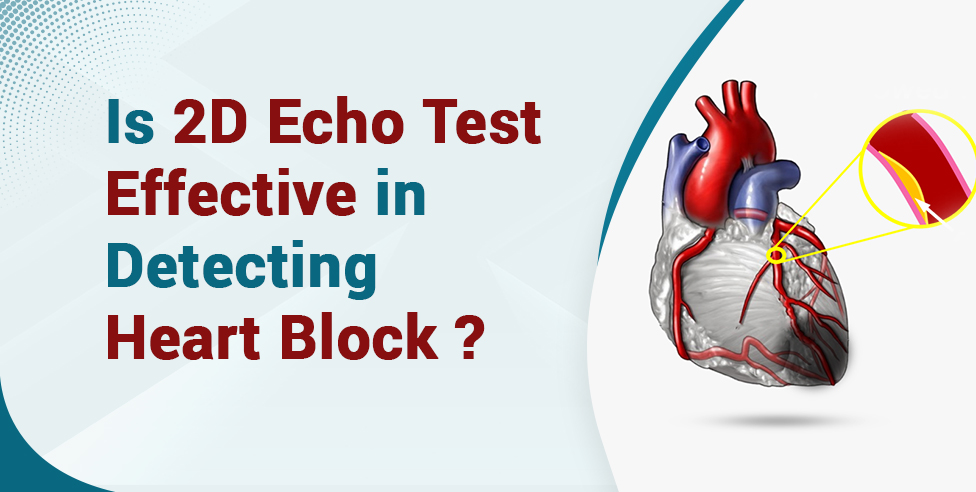
Is 2D Echo Test Effective in Detecting Heart Blockages

One Patient of Dr. Rahul Patil has asked him is 2D echo and color Doppler Test can effective in detecting heart blockages?

As this was a very interesting question he thought he should make a video on this and make people aware of that.

2D echocardiography and color Doppler is a Test That is as good as sonography Of the heart. In these tests, you can see the heart from insides like heart muscles, the valves, the blood flow, the chamber dilatation, and the heart function but you do not see the blocks in the heart.

It is a simple test that can be done on an outpatient basis in a clinic where you lie on the table, it takes hardly 2 minutes and the doctor can tell the heart function, but it would be a good test to confirm old heart attack ongoing heart attack it cannot predict future heart attacks.

If the patient comes for ECHO and if he sees some part of the heart is damaged or infected then it surely tells that it may have the heart blockage in The Arteries and can locate that arteries, But it can say that how much Percentage is blocked.

It is possible that you may have normal heart function or normal echocardiography but you may have to underline multiple blocks, this is quite controversial but it is true
because when you do echocardiography you are resting on a table and in this position, the Heart does not have to do many efforts and you may have blocks in the heart in normal heart function.

So Along with 2D echocardiography do a stress test or TMT so the doctor can help that you may have the heart blockage

Whenever you go to the doctor 2D echo and stress tests Should be combined to confirm whether you have possibility blocks in the heart, Once your stress is positive then your doctor will advise you angiography

An Angiography is the only test that confirms blocks in the heart.
2D Echocardiography and color doppler is the only test that can help in making a diagnosis of heart failure because heart failure diagnosis will be done depending on heart function.

So Normal heart function is more than 60% pumping of heart,
If someone has pumping less than 40% it is called significant heart failure, less than 30is very severe heart failure.

So 2D echocardiography and color doppler test is very important to test which can hardly take 2 to 3 minutes but can help you in making a lot of diagnoses related to the heart.

▬▬▬▬▬▬▬▬▬▬▬▬▬▬▬▬▬▬▬▬▬▬▬▬▬▬▬▬▬▬▬▬▬▬▬▬▬▬▬▬
To know more about 2D echocardiography, Stress Test and angiography stay tunned to our YouTube channels.
You can also contact us on phone No. 020 26161553
Website: https://www.bestcardiologistpune.com/
▬▬▬▬▬▬▬▬▬▬▬▬▬▬▬▬▬▬▬▬

The language used in this video is #English.

———————————————————————————————————————————–
▬Contact Information ▬▬▬▬▬▬▬▬▬▬
Website: https://www.bestcardiologistpune.com/
Phone No. 020 26161553

Don’t forget to subscribe to our channel:
https://www.youtube.com/channel/UCj8f…
▬Social Links ▬▬▬▬▬▬▬▬▬▬

Follow me on other platforms:
Facebook: https://www.facebook.com/Bestcardiolo…
Instagram: https://www.instagram.com/dr_rahul_pa…

▬ About Dr. Rahul Patil ▬▬▬▬▬▬▬▬▬▬
Dr. Rahul Raosaheb Patil is one of the best cardiologist in Pune, India. He is an accomplished
Interventional Cardiologist, practicing since 2006. He is also the Director and Interventional Cardiologist at Hridayam Heart Clinic in Pune. He has been serving as a Consulting Cardiologist at Ruby Hall Clinic since 2006.

To know more about heart and heart health, stay tuned to our YouTube channels.

Thank you!

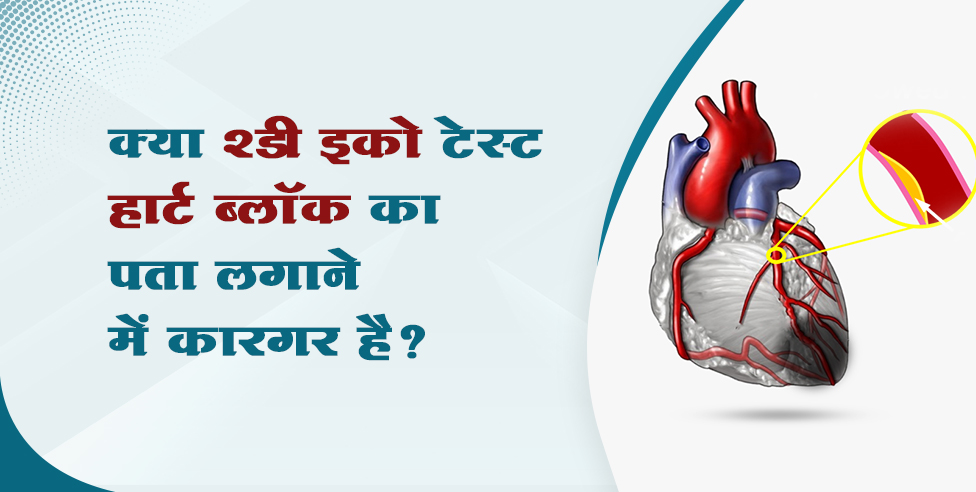
क्या 2डी इको टेस्ट हार्ट ब्लॉक का पता लगाने में कारगर है

डॉ. राहुल पाटिल के एक मरीज ने उनसे पूछा है कि क्या 2डी इकोकार्डियोग्राफी और कलर डॉपलर टेस्ट दिल में रुकावट का पता लगा सकते हैं?

क्योकि यह एक बहुत ही रोचक सवाल था, उन्हें इस पर एक वीडियो बनाना चाहिए और लोगों को भी जागरूक करना चाहिए।

2डी इकोकार्डियोग्राफी और कलर डॉप्लर एक ऐसा टेस्ट है जो दिल की सोनोग्राफी जितना ही अच्छा है। इन परीक्षणों में, आप हृदय को अंदर से देख सकते हैं जैसे हृदय की मांसपेशियां, वाल्व, रक्त प्रवाह, कक्ष का फैलाव, और हृदय कार्य करता है लेकिन आपको हृदय में ब्लॉक नहीं दिखाई देते हैं।

यह एक साधारण परीक्षण है जो एक क्लिनिक में आउट पेशेंट के आधार पर किया जा सकता है, जहां आप मेज पर लेटते हैं, इसमें मुश्किल से 2 मिनट लगते हैं और डॉक्टर हृदय की कार्यप्रणाली को बता सकते हैं, लेकिन पुराने दिल के दौरे की पुष्टि करने के लिए यह एक अच्छा परीक्षण होगा दिल का दौरा यह भविष्य के दिल के दौरे की भविष्यवाणी नहीं कर सकता।

यदि रोगी ईसीएचओ के लिए आता है और यदि वह देखता है कि हृदय का कुछ हिस्सा क्षतिग्रस्त या संक्रमित है तो यह निश्चित रूप से बताता है कि उसे धमनियों में हृदय की रुकावट हो सकती है और वह धमनियों का पता लगा सकता है, लेकिन यह कह सकता है कि कितना प्रतिशत अवरुद्ध है।

यह संभव है कि आपके पास सामान्य हृदय क्रिया या सामान्य इकोकार्डियोग्राफी हो लेकिन आपको कई ब्लॉकों को रेखांकित करना पड़ सकता है, यह काफी विवादास्पद है लेकिन यह सच है
क्योंकि जब आप इकोकार्डियोग्राफी करते हैं तो आप एक टेबल पर आराम कर रहे होते हैं और इस स्थिति में हृदय को अधिक प्रयास नहीं करने पड़ते हैं और सामान्य हृदय क्रिया में आपके हृदय में ब्लॉक हो सकते हैं।

इसलिए 2डी इकोकार्डियोग्राफी के साथ एक स्ट्रेस टेस्ट या टीएमटी करें ताकि डॉक्टर आपकी मदद कर सकें कि आपको हार्ट ब्लॉकेज हो सकता है।

जब भी आप डॉक्टर के पास जाते हैं तो 2डी इको और स्ट्रेस टेस्ट को मिलाकर यह पुष्टि करनी चाहिए कि क्या आपके दिल में ब्लॉक होने की संभावना है।

एंजियोग्राफी एकमात्र ऐसा परीक्षण है जो हृदय में ब्लॉकों की पुष्टि करता है।
2डी इकोकार्डियोग्राफी और कलर डॉप्लर ही एकमात्र ऐसा परीक्षण है जो हृदय की विफलता का निदान करने में मदद कर सकता है क्योंकि हृदय की विफलता का निदान हृदय के कार्य के आधार पर किया जाएगा।

तो सामान्य हृदय क्रिया हृदय की 60% से अधिक पम्पिंग है,
यदि कोई व्यक्ति 40% से कम पंप करता है तो इसे महत्वपूर्ण हृदय विफलता कहा जाता है, 30 से कम बहुत गंभीर हृदय विफलता है।

इसलिए 2डी इकोकार्डियोग्राफी और कलर डॉप्लर टेस्ट बहुत महत्वपूर्ण है, जिसमें मुश्किल से 2 से 3 मिनट लग सकते हैं, लेकिन दिल से संबंधित कई तरह के निदान करने में आपकी मदद कर सकते हैं।

▬▬▬▬▬▬▬▬▬▬▬▬▬▬▬▬▬▬▬▬▬▬▬▬▬▬▬▬▬▬▬▬▬▬▬▬▬▬▬▬
2डी इकोकार्डियोग्राफी, स्ट्रेस टेस्ट और एंजियोग्राफी के बारे में अधिक जानने के लिए हमारे यूट्यूब चैनल से जुड़े रहें।प्रक्रिया के बारे में अधिक जानने के लिए हमारे यूट्यूब चैनल पर बने रहें।
आप हमसे फोन नंबर : 020 26161553
वेबसाइट पर भी संपर्क कर सकते हैं : https://www.bestcardiologistpune.com/
वीडियो अंग्रेज़ी में देखने के लिए नीचे दिए गए लिंक पर क्लिक करें :
https://youtu.be/ZM920vQFt7M
To watch the video in English click on the link below :
https://youtu.be/YgKscgd0XxY
———————————————————————————————————————————–
▬Contact Information ▬▬▬▬▬▬▬▬▬▬
Website: https://www.bestcardiologistpune.com/
Phone No. 020 26161553

Don’t forget to subscribe to our channel:
https://www.youtube.com/channel/UCj8f…
▬Social Links ▬▬▬▬▬▬▬▬▬▬

Follow me on other platforms:
Facebook: https://www.facebook.com/Bestcardiolo…
Instagram: https://www.instagram.com/dr_rahul_pa…

▬ About Dr. Rahul Patil ▬▬▬▬▬▬▬▬▬▬
Dr. Rahul Raosaheb Patil is one of the best cardiologist in Pune, India. He is an accomplished
Interventional Cardiologist, practicing since 2006. He is also the Director and Interventional Cardiologist at Hridayam Heart Clinic in Pune. He has been serving as a Consulting Cardiologist at Ruby Hall Clinic since 2006.

To know more about heart and heart health, stay tuned to our YouTube channels.

Thank you!

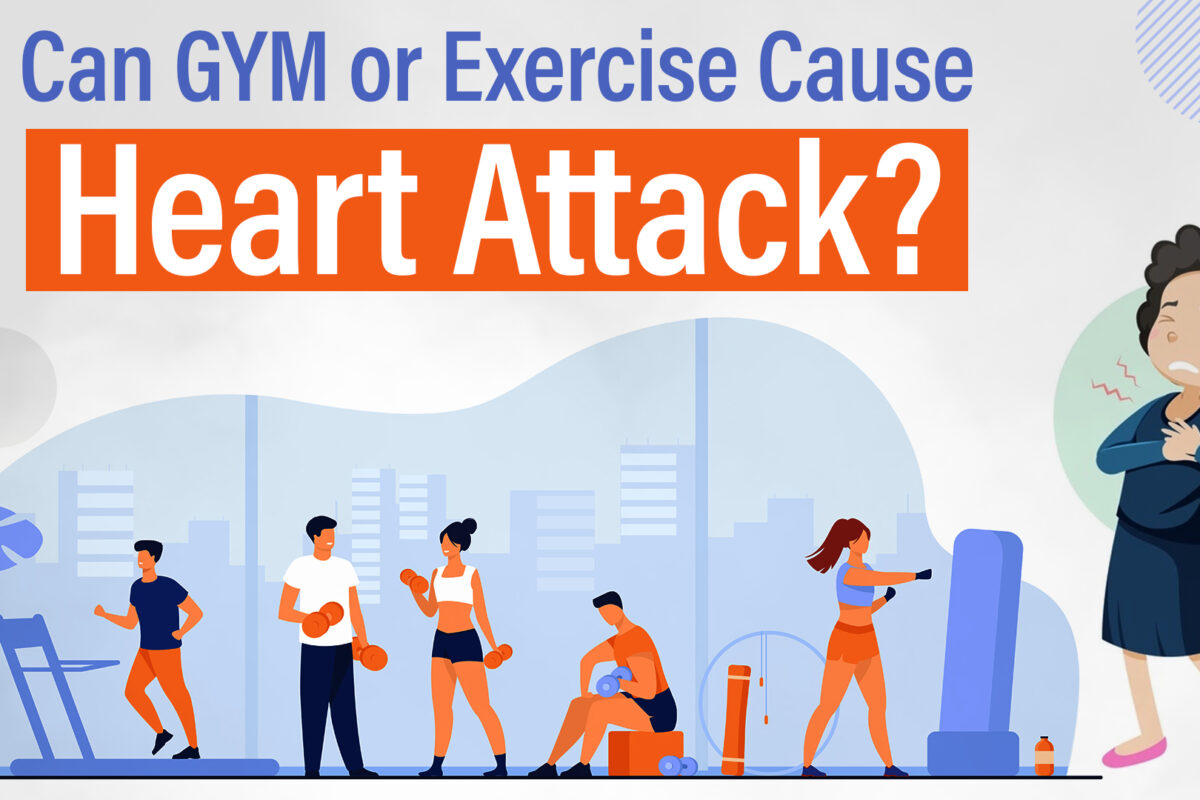
Can GYM or Exercise Cause Heart Attack? | Dr. Rahul Patil | Cardiologist in Pune

In this video, Dr. Rahul Patil – A cardiologist in Pune, India has spoken about the chance of a heart attack at GYM.
Recently Dr. Rahul Patil came across a young adult of 29 years of age with a complaint of chest pain to casualty and when he examined him. When the doctor did an ECG it turned out to be an massive heart attack. The patient didn’t have diabetes or blood pressure, but did have a family history of heart attack, also he had a habit of smoking 4 – 6 cigarette a day. He also mentioned that he did weight training in the morning at the GMY.

Dr. Patil is answering a question, Whether GYM can cause an Heart Attack?
because it can spread a message that, GYM can cause an heart attack. But is it really true? Lets see.

If some one wants to join GYM, there are guidelines to follow,
American Sports Associations says , ‘You better check yourself by the following diagnosis -‘
1. Blood Test
2. Cholesterol
3. Sugar Check-Up
4. Homocysteine Test
5. ECG
6. 2D Eco
7. Stress Test
If you are a smoker then you have an extremely high chances of getting an heart attack at the gym. so better to stop your tobaccos or smoking before starting your gym training.

Each individual who going to the GYM, are not at all have a risk of cardiac arrest but those people who have the high-risk factor of heart attack have a chance to have Sudden cardiac arrest.

Some factors that can put you at risk of sudden cardiac arrest while GYM or Weight Training are-

1. A family history of coronary artery disease
2. Smoking
3. High blood pressure
4. High blood cholesterol
5. Diabetes

When these people of high-risk risk go for the training and they do workout at the moment due to poor breathing the cholesterol plague gets sucks and blood clot form to 5 -10 mins, patience stats complaining chest pain and can lead to massive heart attack or sudden cardiac arrest.

Dr. Patil suggests, the youngster of age 25 or above and at risk, consult their cardiologist before joining Gym
– Engage yourself in good cardio activities for around 3-6 months before starting going gym.
– Avoid Steroid injections
– Take rest or call a doctor if feels any symptoms

Some Symptoms are-
1.Chest pain or discomfort
2. Shortness of breath.
3.Lightheadedness or sudden dizziness.
4. Blur vision or blackness

To know more about the risk of Heart Attack at Gym,
visit our website-

The language used in this video is #English.
———————————————————————————————————————————–
▬Contact Information ▬▬▬▬▬▬▬▬▬▬
Website: https://www.bestcardiologistpune.com/
Phone No. 020 26161553

Don’t forget to subscribe to our channel:
https://www.youtube.com/channel/UCj8f…
▬Social Links ▬▬▬▬▬▬▬▬▬▬

Follow me on other platforms:
Facebook: https://www.facebook.com/Bestcardiolo…
Instagram: https://www.instagram.com/dr_rahul_pa…

▬ About Dr. Rahul Patil ▬▬▬▬▬▬▬▬▬▬
Dr. Rahul Raosaheb Patil is one of the best cardiologist in Pune, India. He is an accomplished
Interventional Cardiologist, practicing since 2006. He is also the Director and Interventional Cardiologist at Hridayam Heart Clinic in Pune. He has been serving as a Consulting Cardiologist at Ruby Hall Clinic since 2006.

To know more about heart and heart health, stay tuned to our YouTube channels.

Thank you!

क्या जिम या व्यायाम के कारण आ सकता है हार्ट अटैक? | डॉ. राहुल पाटिल | हृदय रोग विशेषज्ञ

इस वीडियो में, डॉ राहुल पाटिल – पुणे, भारत में एक हृदय रोग विशेषज्ञ ने जिम में दिल का दौरा पड़ने की संभावना के बारे में बताया है।

डॉ. पाटिल एक सवाल का जवाब दे रहे हैं, क्या जिम से दिल का दौरा पड़ सकता है?

यदि कोई GYM में शामिल होना चाहता है, तो कृपया प्रशिक्षण नियम का पालन करें और धूम्रपान छोड़ दें

अमेरिकन स्पोर्ट्स असोसिएशन का कहना है, ‘आप बेहतर तरीके से निम्नलिखित डायग्नोसिस से खुद को चेक करें-‘

रक्त परीक्षण
कोलेस्ट्रॉल
शुगर चेक-अप
होमोसिस्टीन टेस्ट
ईसीजी
2डी इको
तनाव की जांच

GYM में जाने वाले प्रत्येक व्यक्ति को कार्डियक अरेस्ट का खतरा नहीं होता है, लेकिन जिन लोगों को हार्ट अटैक का हाई रिस्क फैक्टर होता है, उन्हें अचानक कार्डिएक अरेस्ट होने का खतरा होता है।

कुछ कारक जो आपको GYM या वेट ट्रेनिंग के दौरान अचानक कार्डियक अरेस्ट के खतरे में डाल सकते हैं-

1. हृदय रोग का पारिवारिक इतिहास
2. धूम्रपान
3. उच्च रक्तचाप
4. उच्च रक्त कोलेस्ट्रॉल
5. मधुमेह

जब उच्च जोखिम वाले ये लोग प्रशिक्षण के लिए जाते हैं और खराब सांस लेने के कारण इस समय कसरत करते हैं तो कोलेस्ट्रॉल प्लेग चूसता है और 5-10 मिनट में रक्त का थक्का बन जाता है, धैर्य के आँकड़े सीने में दर्द की शिकायत करते हैं और इससे बड़े पैमाने पर दिल का दौरा पड़ सकता है या अचानक हृदय की गति बंद।

डॉ. पाटिल सुझाव देते हैं, 25 वर्ष या उससे अधिक उम्र के और जोखिम कारक हैं, जिम में शामिल होने से पहले अपने हृदय रोग विशेषज्ञ से परामर्श लें
– जिम जाने से पहले लगभग 3-6 महीने तक खुद को अच्छी कार्डियो गतिविधियों में व्यस्त रखें।
– स्टेरॉयड इंजेक्शन से बचें
– आराम करें या कोई लक्षण महसूस होने पर डॉक्टर को बुलाएं

कुछ लक्षण हैं-
1. सीने में दर्द या बेचैनी
2. सांस की तकलीफ।
3. चक्कर आना या अचानक चक्कर आना।
4. धुंधली दृष्टि या कालापन

जिम में हार्ट अटैक के खतरे के बारे में अधिक जानने के लिए,
हमारी वेबसाइट देखें-

इस वीडियो में इस्तेमाल की गई भाषा #हिंदी है।

यह वीडियो अंग्रेजी में देखें
———————————————————————————————————————————–
You can also watch this video in English by clicking on the below

दिल और दिल के दौरे के बारे में अधिक जानने के लिए हमारे यूट्यूब चैनल पर बने रहें।
आप हमसे फोन नंबर : 020 26161553
वेबसाइट पर भी संपर्क कर सकते हैं : https://www.bestcardiologistpune.com/

वीडियो अंग्रेज़ी में देखने के लिए नीचे दिए गए लिंक पर क्लिक करें :

▬Social Links ▬▬▬▬▬▬▬▬▬▬

Follow me on other platforms:
Facebook: https://www.facebook.com/Bestcardiolo…
Instagram: https://www.instagram.com/dr_rahul_pa…

▬ About Dr. Rahul Patil ▬▬▬▬▬▬▬▬▬▬
Dr. Rahul Raosaheb Patil is one of the best cardiologist in Pune, India. He is an accomplished
Interventional Cardiologist, practicing since 2006. He is also the Director and Interventional Cardiologist at Hridayam Heart Clinic in Pune. He has been serving as a Consulting Cardiologist at Ruby Hall Clinic since 2006.

To know more about heart and heart health, stay tuned to our YouTube channels.

Thank you!

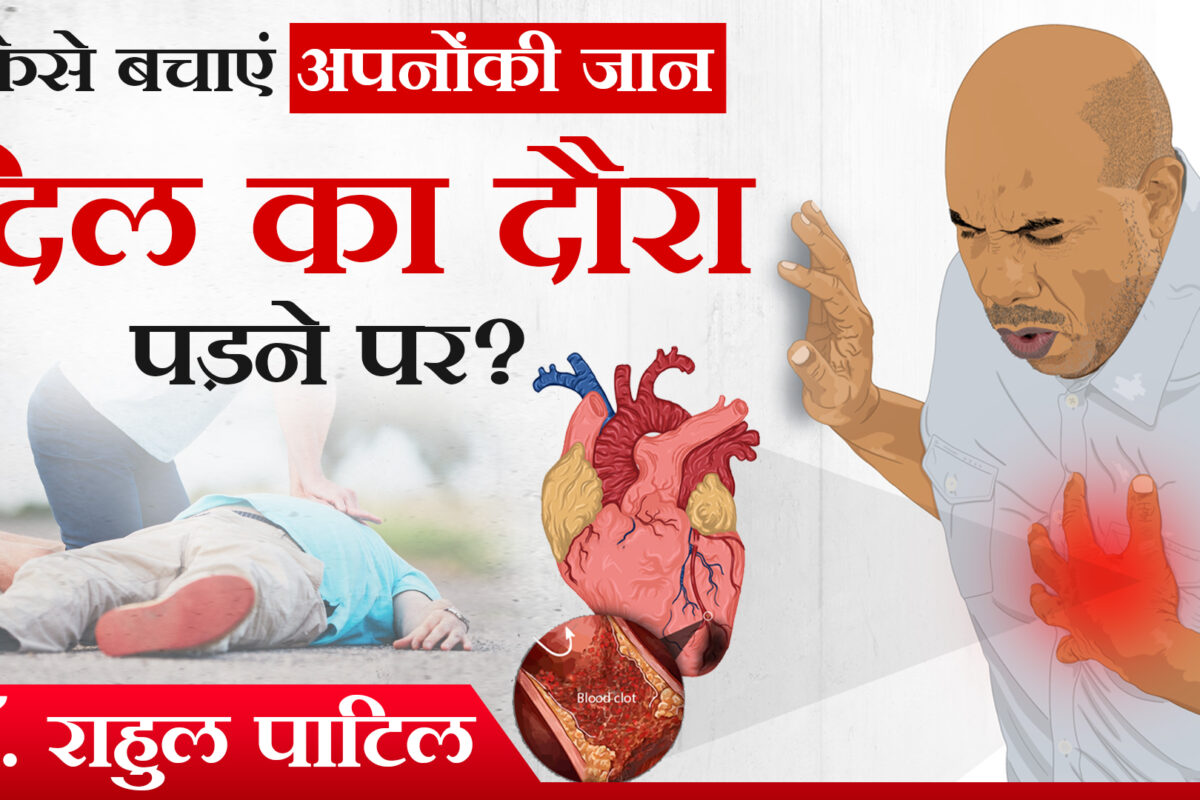
कैसे बचाएं अपनों की जान दिल का दौरा पड़ने पर ? | डॉ. राहुल पाटिल | हृदय रोग विशेषज्ञ

हाल ही में डॉ राहुल पाटिल के एक दोस्त ने उनके पड़ोस में हुई एक घटना को बताया। एक बहुत ही युवा सज्जन को आधी रात के 2 बजे दुर्घंट्ना हुई और वह बेहोश हो गया, जब तक एम्बुलेंस आ गई उसे अस्पताल ले गई, उसे मृत घोषित कर दिया गया, यह सभी के लिए एक बहुत ही चौंकाने वाली घटना थी और एक समाज के सदस्य के रूप में वे मदद नहीं कर सके पड़ोसी कि।
तो उसके दोस्त ने उससे पूछा कि प्राथमिक देखभाल के लिए अगर किसी को दिल का दौरा पड़ता है तो हम आम आदमी की मदद कैसे कर सकते हैं।
इसके बारे में और अधिक समझने के लिए मैंने सोचा कि मैं इस बारे में पूरी दुनिया की आबादी के साथ भी बात करूं कि अगर किसी को दिल का दौरा पड़ रहा है तो आप अचानक मौत को कैसे रोक सकते हैं।

सबसे पहले आपको दिल के दौरे के लक्षणों को समझने की जरूरत है, छाती की बेचैनी जो छाती के बिल्कुल बीच में होती है जो छाती को दबाती है, भारीपन का कारण बनती है, गंभीर असुविधा जो उसके कंधे, बाएं हाथ, जबड़े या गर्दन तक फैल सकती है, उसके साथ-साथ घुटन की अनुभूति हो सकती है। पसीने के साथ सांस लेने में कठिनाई यदि समय के साथ यह लक्षण बढ़ रहे हैं तो आपको यह जानने की जरूरत है कि यह दिल का दौरा हो सकता है। परिवारों में यह बहुत आम ह किसी को मधुमेह, रक्तचाप या धूम्रपान की आदत होती है. एक बार जब आप जानते हैं कि यह दिल का दौरा है तो आपको सतर्क रहना होगा इस घबराहट की स्थिति के कारण पहली बात अधिकांश लोग भयभीत हैं, और डर के कारण वे सांस नहीं ले रहे हैं ठीक से वे आपकी छाती को पकड़ सकते हैं और अपनी सांस भी रोक सकते हैं इसलिए बस रोगी को आराम करने के लिए कहें, उन्हें गहरी सांस लेने के लिए कहें, यह बहुत महत्वपूर्ण है क्योंकि अपर्याप्त श्वास के कारण ऑक्सीजन अपर्याप्त है जिससे अचानक हृदय की मृत्यु हो सकती है।

पहला घंटा बेहद उत्सुक है क्योंकि यही वह समय है जब लोग अतालता या दिल की असामान्य धड़कन से मरेंगे। आपके पास कुछ आपातकालीन एम्बुलेंस नंबर या अस्पताल होना चाहिए ताकि आप उस समय तक मदद के लिए इन लोगों को कॉल कर सकें, अपने मरीज को आराम से फर्श पर लेटने के लिए कहें न कि बिस्तर पर क्योंकि फर्श की सतह सख्त है अगर रोगी को कुछ लंबा चला जाता है तो वह अत्यंत युक्तियुक्त समय है।

दूसरी महत्वपूर्ण बात यह देखी गई है कि यदि आप इस घटना के दौरान खाँसते हैं तो यह आपके दिल को आपके दिल में रक्त की आपूर्ति बढ़ाने में मदद करेगा, इससे रक्तचाप भी बढ़ेगा जिससे आपको पर्याप्त रक्त मिलेगा और तीसरा यह दिल की धड़कन भी बढ़ाता है।

तो, मेरी एंजियोग्राफी और एंजियोप्लास्टी सर्जरी में भी यह देखा गया है कि अगर कोई अचानक अपने ब्लड प्रेशर या कार्डियक अरेस्ट मरीज का गिरता है तो इस दौरान हम मरीज खाँसने के लिए कहते ते हैं और यह खांसी की तकनीक बार-बार करने के लिए है, तब यह रक्त की आपूर्ति, रक्तचाप और दिल की धड़कन को नहीं बढ़ाता है और इससे रोगी स्थिर हो जाता है। ऐसे रोगी हैं जहां रक्त के थक्के जो धमनियों में अवरुद्ध हो गए हैं और जो कि खांसी के कारण खुलते हैं, लेकिन दुर्भाग्य से, आपके रोगी अचानक गिर जाते हैं और बेहोश हो जाते हैं।
सबसे जरूरी चीज जो आपको करनी है वो उसकी नब्ज देखने की जरूरत है, अगर कोई नाड़ी सुनाई नहीं दे रही है तो आप पल्स ऑक्सीमीटर लगा सकते हैं तो यहां सबसे महत्वपूर्ण हिस्सा आता है सीपीआर।

यह सबसे सरल तकनीक है जहां आप एक के करीब की छाती को संकुचित करते हैं ताकि रोगियों को मस्तिष्क को अपर्याप्त रक्त की आपूर्ति हो और रोगी जीवित रहे, छाती का पर्याप्त दबाव संपीड़न 50% लोगों को कार्डियक अरेस्ट की स्थिति से बचाता है। इसलिए आपको यह सीखने की जरूरत है कि सीपीआर कैसे किया जाता है, जब तक कि आपको डी-शॉक मशीन नहीं मिल जाती, मरीज जीवित रहने वाला है क्योंकि पहले घंटे में यह एक वेंट्रिकुलर स्थिति है जो अचानक हृदय की मृत्यु का कारण बनती है, इसलिए आपको डीसी-शॉक की आवश्यकता है मशीन।

इसलिए मेरा मानना ​​है कि निकट भविष्य के मॉल मल्टीप्लेक्स में, शायद कुछ सोसायटी डीसी-शॉक मशीन भी खरीद सकती हैं जो किसी व्यक्ति को तुरंत और स्वचालित रूप से एक झटका देती है और जीवन बचा सकती है। आज हम यह भी जानते हैं कि हम सीपीआर स्वचालित मशीन हैं जो रोगियों को लगा सकते हैं और स्वचालित रूप से सीपीआर वितरित कर सकते हैं। तो इससे मरीज बच जाता है और वह अस्पताल पहुंच जाता है।

तो ये कुछ बहुत ही महत्वपूर्ण हैं जिन्हें पार करने की आवश्यकता है ताकि हर कोई दिल के दौरे के प्रबंधन के लिए कुछ बुनियादी प्राथमिक सहायता को समझ सके। यदि आप इसके बारे में अधिक जानना चाहते हैं तो आप हमें कॉल कर सकते हैं या हमारे क्लिनिक में जा सकते हैं।

दिल और दिल के दौरे के बारे में अधिक जानने के लिए हमारे यूट्यूब चैनल पर बने रहें।
आप हमसे फोन नंबर : 020 26161553
वेबसाइट पर भी संपर्क कर सकते हैं : https://www.bestcardiologistpune.com/
▬▬▬▬▬▬▬▬▬▬▬▬▬▬▬▬▬▬▬▬

The language used in this video is #English.

Don’t forget to subscribe to our channel:
https://www.youtube.com/channel/UCj8f…

▬Social Links ▬▬▬▬▬▬▬▬▬▬

Follow me on other platforms:
Facebook: https://www.facebook.com/Bestcardiolo…
Instagram: https://www.instagram.com/dr_rahul_pa…

▬ About Dr. Rahul Patil ▬▬▬▬▬▬▬▬▬▬
Dr. Rahul Raosaheb Patil is one of the best cardiologist in Pune, India. He is an accomplished
Interventional Cardiologist, practicing since 2006. He is also the Director and Interventional Cardiologist at Hridayam Heart Clinic in Pune. He has been serving as a Consulting Cardiologist at Ruby Hall Clinic since 2006.

To know more about heart and heart health, stay tuned to our YouTube channels.

Thank you!

Hi, How Can We Help You?