
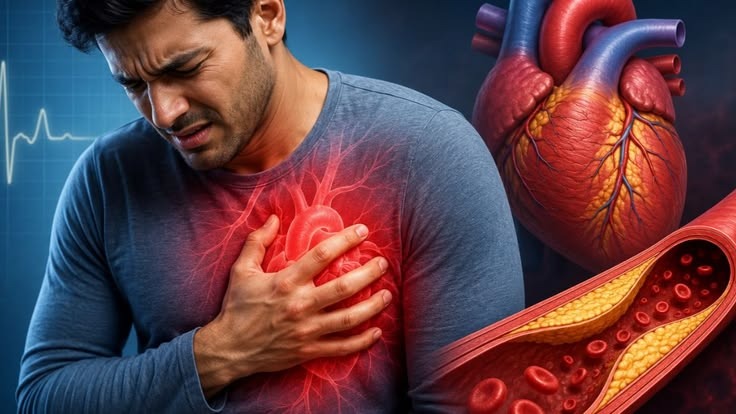
Heart failure does not mean the heart has stopped working. It indicates that the cardiac muscle is either too weak or too tight to adequately pump blood to the body. Doctors diagnose it through a clinical examination, blood tests such as NT-proBNP, an ECG, and, most importantly, an echocardiogram. Management combines medicines, treatment of the underlying cause, and everyday habits, and it continues over the long term.
This article describes what often occurs in a Heart clinic in Pune if you suspect heart failure or have recently been informed about it.
What Is Heart Failure?
Think of the heart as a pump. When it cannot keep up, blood backs up and fluid collects in the lungs, ankles, and abdomen, while organs receive less oxygen-rich blood than they need.
Common causes include:
- Blocked coronary arteries or a previous heart attack
- Long-standing high blood pressure
- Diabetes
- Heart valve disease
- Cardiomyopathy (disease of the heart muscle)
Heart Failure Symptoms to Watch For
Heart failure symptoms are frequently attributed to age, weight, or a demanding lifestyle since they usually appear gradually over several weeks.
Watch for:
- Breathlessness while walking, climbing stairs or lying flat
- Waking at night short of breath
- Unusual tiredness
- Swollen ankles, feet or abdomen
- Quick weight gain over a few days
- A persistent cough, especially at night
Lung disease, anaemia, and thyroid or kidney problems can cause similar complaints, so proper evaluation matters. We go into further depth about that symptom in our post on heart health and dyspnea.
How Is Heart Failure Diagnosed?
A cardiologist usually begins by asking about your symptoms, medical history, and family history. They then examine you for swelling, fluid in the lungs, and abnormal heart sounds. Tests commonly include the following.
Blood Tests
NT-proBNP or BNP levels rise when the heart is under strain. Kidney function, thyroid, blood sugar and haemoglobin tests help uncover contributing causes.
ECG and Chest X-ray
An ECG picks up rhythm problems and signs of an old heart attack. A chest X-ray shows heart size and any fluid in the lungs.
Echocardiogram
This ultrasound is the key test. It shows the pumping strength (ejection fraction), valve function, and wall thickness, and helps doctors judge whether the heart is weak or stiff.
Further Tests When Needed
Depending on your situation, your doctor may suggest a stress test, a cardiac MRI, or coronary angiography, which shows whether blocked arteries are behind the problem.
Finding the cause matters as much as the diagnosis itself, because treating the cause can change the course of the illness.
How Is Heart Failure Managed?
There is no single “heart failure pill”. Good heart failure treatment, as anywhere, is built around the individual and usually has four parts.
Treating the Underlying Cause
If blocked arteries are responsible, coronary angioplasty or bypass surgery may be discussed. Valve disease, rhythm disorders, high blood pressure, and diabetes also need treatment.
Devices and Advanced Care
In selected patients with a very weak heart, a defibrillator (ICD) or a special pacemaker (CRT) may be advised. A small group with advanced disease may need more specialised options. These decisions are made case by case.
Daily Self-Care
- Weigh yourself every morning and report a gain of more than about 2 kg over three days
- Cut back on salt, including hidden salt in pickles, papad, namkeen and packaged snacks
- Ask your doctor how much fluid you should drink
- Exercise only as advised
- Avoid tobacco and limit alcohol
- Check before taking painkillers such as ibuprofen or diclofenac, as they can worsen fluid retention
- Keep every follow-up visit
When Should You See a Cardiologist?
See a cardiologist in Pune if you notice ongoing breathlessness, swelling or fatigue. Go to an emergency department immediately for severe breathlessness at rest, chest pain, fainting, or a pink, frothy cough.
Conclusion
Heart failure can affect daily life, but appropriate diagnosis, personalised treatment, and regular follow-up can help many patients manage the condition. Improving heart health requires maintaining good behaviors, taking prescription drugs as prescribed, and recognizing signs early. If you notice persistent or worsening symptoms, seek medical advice rather than waiting for them to resolve on their own.
About the Author
Dr. Rahul Patil is an interventional cardiologist who has been practising since 2006. He is Director and Interventional Cardiologist at Hridayam Heart Care Clinic and has also served as a Consulting Cardiologist at Ruby Hall Clinic since 2006. Alongside patient care, he teaches as an Assistant Professor at BJ Medical College and Sassoon General Hospital.