

• 301,302 Choice A Apartment, Opposite Ruby Hall, BS Dhole Patil Path, Pune, Maharashtra 411001
  • Mon - Sat 8.00 - 18.00. Sunday CLOSED

Yearly Archives: 2026

Breathlessness and Heart Health: Understanding the Connection

Breathlessness and Heart Health: Understanding the Connection | Heart clinic in pune

Have you ever climbed a flight of stairs and felt strangely out of breath, even though you weren’t rushing? Or maybe you’ve noticed you get winded doing things that never used to bother you. It’s easy to brush this off as being “out of shape.” But sometimes, breathlessness is your body’s way of telling you something about your heart.

This guide walks through what breathlessness actually is, how it connects to heart health, when it’s worth getting checked, and what doctors typically look for. It’s written in plain language, so whether you’re a patient trying to understand your symptoms or a caregiver trying to help someone you love, you’ll find something useful here.

What Is Breathlessness, Really?

Breathlessness — also called shortness of breath or dyspnea — is the feeling that you can’t get enough air. It’s not just about breathing fast. It’s a sensation, and it can show up in different ways depending on the person and the cause.

People often describe it as:

  • A tight or heavy feeling in the chest
  • Struggling to take a full, satisfying breath
  • Needing to breathe faster than usual, even at rest
  • Feeling breathless after mild activity, like walking to the mailbox
  • Waking up at night gasping for air

Breathlessness isn’t a disease on its own. It’s a symptom — and figuring out what’s causing it is the real goal.

How Is Breathlessness Connected to Heart Health?

Your heart and lungs work as a single system, even though we usually think of them separately. The heart pumps blood to the lungs to pick up oxygen, then sends that oxygen-rich blood out to the rest of the body. When the heart isn’t pumping efficiently, blood can back up into the lungs, making it harder to breathe.

This is one of the most common reasons breathlessness and heart problems show up together.

Why the Heart and Lungs Work as a Team

Think of your circulatory system like a delivery route. The heart is the engine, and the lungs are the loading dock where oxygen gets picked up. If the engine slows down or struggles, deliveries get delayed — and in this case, that “delay” feels like breathlessness.

When the heart muscle weakens, or a valve doesn’t close properly, fluid can build up around the lungs. This is sometimes called pulmonary congestion, and it’s a common reason people feel breathless even while sitting still.

Common Heart-Related Causes of Breathlessness

Several heart conditions can cause or worsen shortness of breath, including:

  • Heart failure – when the heart can’t pump blood as efficiently as it should
  • Coronary artery disease – narrowed arteries reduce blood flow to the heart muscle itself
  • Arrhythmias – irregular heartbeats that affect how well blood is pumped
  • Valve disorders – leaky or narrowed valves that disrupt normal blood flow
  • Cardiomyopathy – a weakened or enlarged heart muscle

In many of these cases, breathlessness doesn’t appear alone. It’s often paired with fatigue, swelling in the legs or ankles, or a persistent cough.

Other Causes of Breathlessness (Not Always the Heart)

It’s worth remembering that breathlessness doesn’t always point to a heart problem. Many other conditions can cause the same feeling, such as:

  • Asthma or chronic obstructive pulmonary disease (COPD)
  • Anemia, where the blood carries less oxygen than it should
  • Anxiety or panic episodes
  • Being out of shape or carrying extra weight
  • Lung infections like pneumonia

This is exactly why breathlessness deserves attention rather than guesswork. The same symptom can mean very different things depending on what’s happening inside the body.

When Should You Worry About Breathlessness?

Occasional breathlessness after intense exercise is normal. But some patterns are worth paying closer attention to.

If breathlessness comes on suddenly, happens at rest, or is paired with chest discomfort, sweating, or dizziness, it needs prompt medical evaluation.

Signs That Need Immediate Medical Attention

Seek urgent care if breathlessness is accompanied by:

  • Chest pain, pressure, or tightness
  • Pain spreading to the arm, jaw, or back
  • Sudden dizziness or fainting
  • Cold sweats
  • A bluish tint to the lips or fingertips
  • Breathlessness that wakes you from sleep

These combinations can point to something time-sensitive, like a heart attack or heart failure episode, so it’s better to get checked than to wait it out.

How Doctors Diagnose the Cause of Breathlessness

If you bring up breathlessness with a doctor, they’ll usually start by asking when it happens, how long it lasts, and what makes it better or worse. From there, they may recommend:

  • Electrocardiogram (ECG) – checks the heart’s electrical activity
  • Echocardiogram – an ultrasound that shows how well the heart is pumping
  • Chest X-ray – helps rule out lung-related causes
  • Blood tests – can detect anemia or markers linked to heart strain
  • Pulmonary function tests – used when a lung condition is suspected

None of these tests alone gives the full picture. Doctors usually combine your symptoms, history, and test results before concluding.

Living With Breathlessness: Practical Everyday Tips

If you or someone you’re caring for experiences breathlessness regularly, a few habits can make daily life more manageable:

  • Pace activities instead of rushing through them
  • Practice slow, controlled breathing techniques
  • Keep a symptom diary noting when breathlessness occurs
  • Maintain a healthy weight, which reduces strain on the heart
  • Limit salt intake if you have a heart condition, since it can worsen fluid buildup
  • Stay consistent with prescribed medications and follow-up appointments

Small adjustments like these often make a noticeable difference in comfort and confidence during everyday activities.

Frequently Asked Questions

Can shortness of breath be an early sign of heart disease?
Yes, in some cases. Breathlessness during light activity, especially when it’s new or getting worse, can be an early signal of a heart issue and is worth discussing with a doctor.

Is breathlessness always related to the heart?
No. Lung conditions, anemia, anxiety, and general fitness levels can all cause breathlessness. A proper evaluation is the only way to know for sure.

How can I tell if my breathlessness is from anxiety or a heart problem?
Anxiety-related breathlessness often comes with rapid, shallow breathing and a racing mind, and tends to ease once you calm down. Heart-related breathlessness is more likely to appear with exertion, swelling, or chest discomfort. Either way, a doctor can help clarify the cause.

Should I go to the emergency room for breathlessness?
If it comes on suddenly, is severe, or is paired with chest pain, fainting, or bluish lips, yes — seek emergency care immediately.

A Final Note

Breathlessness can feel unsettling, especially when it shows up unexpectedly. Sometimes it’s harmless. Sometimes it’s your body flagging something that needs attention. The safest approach is simple: notice patterns, don’t ignore sudden changes, and talk to a doctor when something feels off. Your heart and lungs work together every second of the day—listening to them is one of the simplest forms of self-care.
 

bypass surgery

Bypass Surgery: What Patients Should Know Before, During, and After the Procedure

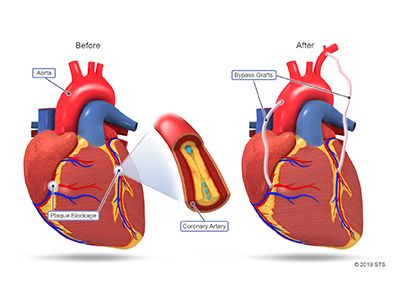
Heart health depends on a continuous supply of oxygen-rich blood reaching the heart muscle through coronary arteries. When these arteries become severely narrowed or blocked due to plaque buildup, the heart may not receive enough blood, especially during physical activity. In certain situations, bypass surgery may be considered to create a new pathway for blood flow and support the heart’s oxygen supply.

With increasing awareness about cardiovascular health, many patients search for reliable information about coronary artery disease, bypass procedures, recovery, and preventive heart care. People often look for guidance related to the Best Cardiologist in Pune, and to better understand heart surgery, diagnosis, and long-term heart health management.

bypass surgery

What Is Bypass Surgery?

Bypass surgery, medically known as Coronary Artery Bypass Grafting (CABG), is a cardiac procedure used to improve blood circulation to the heart muscle when coronary arteries are significantly narrowed or blocked.

During the procedure, a healthy blood vessel from another part of the body is used to create a new route around the blocked artery. 

The goal of bypass surgery is to improve blood supply to areas of the heart affected by reduced circulation.

Why Is Bypass Surgery Needed?

The heart requires a constant supply of oxygenated blood to function properly. Coronary artery disease can reduce this supply due to plaque accumulation inside arteries.

Bypass surgery may be considered when:

  • Multiple coronary arteries are blocked
  • Blockages are located in important areas of the heart arteries
  • Symptoms continue despite medications and lifestyle changes
  • There is reduced blood flow to the heart muscle
  • Certain types of artery disease require surgical management

The decision depends on several factors, including artery condition, heart function, overall health, and individual risk factors.

Understanding Coronary Artery Disease

Coronary artery disease is one of the most common heart conditions worldwide. It develops when fatty deposits, cholesterol, and other substances accumulate inside artery walls.

This process is called atherosclerosis.

Over time, plaque buildup may:

  • Narrow the artery opening
  • Reduce blood flow
  • Limit oxygen supply to the heart
  • Increase the risk of chest discomfort and heart-related complications

Lifestyle factors and medical conditions can influence the development of coronary artery disease.

Common Causes and Risk Factors for Heart Artery Blockages

Several factors may contribute to coronary artery narrowing.

High Cholesterol

Elevated cholesterol levels can contribute to plaque formation inside blood vessels.

High Blood Pressure

Long-term uncontrolled blood pressure may damage artery walls and increase cardiovascular strain.

Diabetes

High blood sugar levels can affect blood vessel health and circulation.

Smoking

Tobacco exposure is strongly associated with artery damage and heart disease.

Obesity

Excess body weight may increase cardiovascular risk.

Family History

Genetic factors may influence the likelihood of developing heart disease.

Understanding these risk factors helps individuals focus on prevention and early monitoring.

Symptoms That May Lead to Bypass Evaluation

Common symptoms include:

  • Chest pressure or discomfort
  • Shortness of breath
  • Fatigue during physical activity
  • Pain spreading to the arm, shoulder, neck, or jaw
  • Reduced exercise capacity
  • Dizziness in some cases

Some people may experience mild symptoms or no symptoms until the disease becomes more advanced.

How Is Bypass Surgery Performed?

Bypass surgery is performed under general anesthesia. During the procedure, surgeons create an alternate pathway for blood flow around blocked coronary arteries.

General Steps Include:

1. Preparing the Blood Vessel

A healthy blood vessel is selected from another part of the body, commonly from the chest, arm, or leg.

2. Creating the Bypass Route

The selected vessel is connected beyond the blocked area of the coronary artery.

3. Restoring Blood Flow

The new pathway allows blood to reach the heart muscle more effectively.

The number of bypass grafts depends on how many arteries require new pathways.

Types of Bypass Surgery

Different approaches may be used depending on the patient’s condition.

Traditional Coronary Artery Bypass Surgery

This is the commonly performed method where the chest is opened to access the heart.

Off-Pump Bypass Surgery

This approach is performed while the heart continues beating, without using a heart-lung machine in selected cases.

Minimally Invasive Bypass Approaches

Some patients may be evaluated for smaller-incision techniques depending on their artery condition and overall health.

The suitable method depends on individual medical factors.

Recovery After Bypass Surgery

Recovery after bypass surgery is a gradual process. The timeline can vary depending on age, health condition, and the complexity of surgery.

During Recovery, Patients May Focus On:

  • Following medication schedules
  • Maintaining wound care
  • Gradually increasing physical activity
  • Attending follow-up appointments
  • Following heart-friendly lifestyle habits

Cardiac rehabilitation programs may also support recovery through guided exercise, education, and lifestyle improvement.

Lifestyle Changes After Bypass Surgery

Bypass surgery improves blood flow, but maintaining long-term heart health also requires attention to daily habits.

Healthy Diet

A balanced diet with fruits, vegetables, whole grains, and healthy protein sources may support cardiovascular wellness.

Regular Physical Activity

Appropriate exercise helps improve circulation and overall fitness.

Managing Stress

Chronic stress may influence blood pressure and heart health.

Controlling Health Conditions

Monitoring conditions like diabetes, cholesterol, and high blood pressure remains important.

Avoiding Tobacco

Stopping tobacco use supports better blood vessel health.

Risks and Awareness Related to Bypass Surgery

Like any major medical procedure, bypass surgery involves possible risks. Doctors evaluate individual health conditions before recommending surgery.

Possible risks may include:

  • Infection
  • Bleeding
  • Heart rhythm changes
  • Temporary memory or concentration changes
  • Recovery-related discomfort
  • Kidney-related concerns in some individuals

Understanding these possibilities helps patients and families prepare for the recovery process.

Bypass Surgery vs Angioplasty: Understanding the Difference

Both bypass surgery and angioplasty aim to improve blood flow to the heart, but they are different procedures.

Angioplasty

  • Uses catheter-based techniques
  • Usually involves balloon expansion and stent placement
  • Often used for selected artery blockages

Bypass Surgery

  • Makes a new blood flow pathway around blocked arteries
  • May be considered for multiple or complex blockages

Doctors decide the appropriate approach based on artery condition, symptoms, and overall health.

Importance of Preventive Heart Care

Even after bypass surgery, preventive care remains important. Heart disease management is not only about procedures but also about maintaining healthy habits and regular monitoring.

Preventive cardiology focuses on:

  • Early risk identification
  • Blood pressure control
  • Cholesterol monitoring
  • Diabetes management
  • Healthy lifestyle practices

A Paediatric Cardiologist in Pune may also play an important role in evaluating heart conditions in children, especially those with congenital heart concerns or family history of cardiac problems.

Frequently Asked Questions About Bypass Surgery

Is Bypass Surgery a Permanent Solution?

Bypass surgery improves blood flow through newly created pathways, but maintaining heart health requires ongoing lifestyle management and monitoring.

How Long Does Recovery Take After Bypass Surgery?

Recovery time differs between individuals depending on health condition, age, and surgical factors.

Can Heart Blockages Return After Bypass Surgery?

New blockages can develop over time depending on lifestyle habits and underlying risk factors.

Is Bypass Surgery Better Than Angioplasty?

Neither procedure is suitable for every patient. The choice depends on the location and severity of blockages and overall heart condition.

Growing Awareness About Advanced Heart Care in 2026

Healthcare awareness has changed significantly with the growth of digital information, AI-powered search, and patient education platforms. People now research heart conditions, procedures, and recovery expectations before discussing options with healthcare professionals.

Searches related to coronary artery disease, bypass surgery, angioplasty, and preventive heart care continue to increase as individuals become more aware of cardiovascular wellness.

Reliable medical information helps patients understand procedures in simple language and make informed decisions about their health.

Conclusion

Bypass surgery is an important cardiac procedure used to improve blood circulation when coronary arteries become severely narrowed or blocked. Understanding the reasons behind bypass surgery, preparation, recovery, lifestyle changes, and long-term heart care can help patients and families feel more informed.

Heart health depends on continuous awareness, preventive measures, regular monitoring, and healthy lifestyle choices. Educational guidance from trusted sources, along with evaluation by a qualified Cardiologist in India, can support better understanding of cardiovascular health and modern heart care approaches.


Hi, How Can We Help You?